Cost to Move a Kitchen Sink: Price Ranges
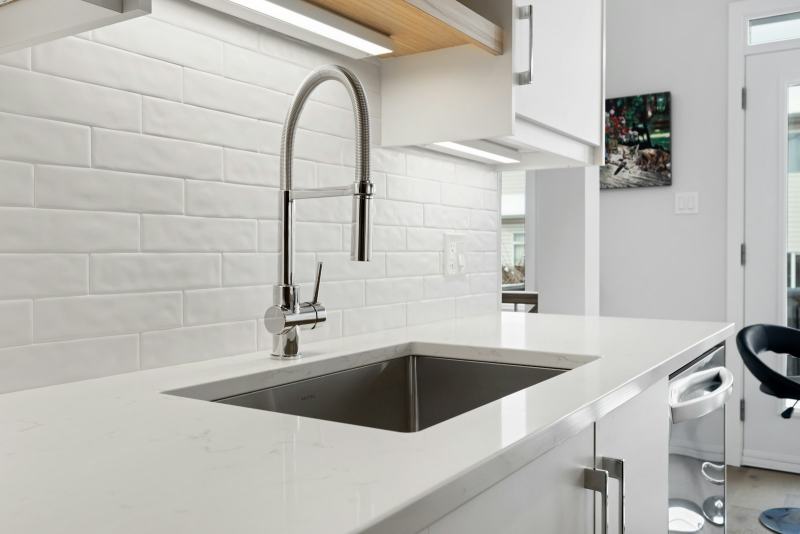
It costs $1,000 to $4,000 to move a kitchen sink. A short move along the same wall, such as a few feet, costs $1,000 to $2,000. Moving it across the room or to an island costs $2,500 to $4,000 or more. A slab foundation adds $1,000 to $2,500 because the drain is under the concrete.
A new layout often starts with the sink. It is the heart of the kitchen, and where it goes sets the plan for the rest. The sink is also the hardest item to move. It needs a water supply, a drain, and a vent. This guide explains why the drain drives the price and what to expect.
What It Costs to Move a Kitchen Sink
Most homeowners pay $1,500 to $3,000. A plumber extends the hot and cold supply lines, builds a new drain and vent, and reconnects the fixtures. The work takes one to three days.
Distance is the first factor. A move of a few feet on the same wall is simple. A move across the room needs long pipe runs.
The table below shows typical ranges. The sections after it explain the factors that move the price.
Why the Drain Drives the Cost
Water supply lines are small and flexible. They bend around corners. A drain is large and must slope down toward the main line. That slope limits how far you can move the sink.
A drain must also be vented. Without a vent, the drain gurgles and can siphon the trap dry. A new sink location often needs a new vent pipe through the wall or roof.
On a basement or crawlspace house, the pipes are easy to reach from below. On a slab, the plumber must cut into the concrete. That adds a lot of cost.
Moving the Sink to an Island
An island sink is a popular upgrade, and a costly one. The island has no wall behind it, so the vent is tricky. A plumber may use a loop vent or an air admittance valve, if the code allows.
The drain must run through the floor. On a slab, that means a trench. Expect $3,000 to $6,000 for an island sink, plus the cabinet work.
Check local code first. Some areas ban air admittance valves. A permit and an inspection are almost always required.
Where the Money Goes
Pipe and fittings are $100 to $400. Plumber labor is $75 to $150 per hour, with 10 to 30 hours for a typical job. Drywall and floor repair is $200 to $800.
Concrete cutting and patching on a slab is $1,000 to $2,500. A permit is $50 to $400. New cabinet work and countertop changes are extra and often cost more than the plumbing.
A dishwasher and a disposal move with the sink. See our guide to a garbage disposal replacement. Add the cost of the new hookups to the plan.
Slab vs. Crawlspace vs. Basement
A basement or crawlspace is the easy case. The plumber works from below and runs new pipe on the joists. The cost stays at the low end.
A slab is the hard case. The drain sits under the concrete. The plumber must cut a trench, run new pipe, and patch the slab. The patch must cure before the floor goes back.
A second-floor kitchen is also tricky. The drain runs inside a floor joist space and may need a soffit or a wall chase. Get an on-site quote before you plan.
DIY or Hire a Plumber?
This is a job for a licensed plumber. Drain slope, venting, and permits all matter. A mistake can leave you with a slow drain, a bad smell, or a failed inspection.
You can save money by handling the demolition and the finish work. Clear the cabinets, and let the plumber do the pipes. A general contractor can also coordinate a larger remodel.
Plan the Whole Kitchen
Moving a sink is usually part of a bigger project. Plan the new countertops and backsplash at the same time. A pot filler adds another line to the plan.
The electrical plan matters too. Moving the sink may move the outlets, so see moving an electrical outlet. New lights, such as recessed lighting, are easy to add while the ceiling is open.
Old pipes are also worth a look. A galvanized-to-PEX repipe is cheaper when the walls are open.
How to Keep the Cost Down
Keep the sink near the old spot. Even a few feet of change can cut the cost in half. Avoid an island if the budget is tight.
Get two quotes with a written scope. Ask each plumber to list the pipe, the vent, and the repair work. A low bid with no vent plan can grow later.
The EPA WaterSense kitchen faucet guide lists efficient faucets. A new sink location is a good time to pick one that saves water.
How a Plumber Plans the Move
The plumber starts with a site visit. They check the floor, the walls, and the nearest drain and vent. They measure the distance and decide how the new drain will slope.
Next they sketch the new layout. The plan shows the supply lines, the drain path, the vent, and any walls or joists in the way. A joist that must be cut needs an engineer or a carpenter to reinforce it.
The plumber also checks code. Drain size, trap distance, and vent rules all affect the plan. A written plan lets you compare quotes fairly.
What Happens During the Work
The crew shuts off the water and removes the sink, the cabinets, and the old plumbing. They cut openings in the floor or wall for the new pipes. Dust and noise are part of the job.
Next the new drain and vent go in. The pipe is pitched at a quarter inch per foot so water flows away. New supply lines are run to the new spot and tested for leaks.
An inspector checks the work before the walls and floors are closed. After that, the crew patches the openings, and the cabinet maker sets the new base.
Ways to Lower the Cost
Keep the move short. Even a move of a few feet along the same wall can cut the price a lot. Placing the sink above an existing drain line saves the most.
Do the demolition yourself if you can do it safely. Pull the cabinets and the old counter before the plumber arrives. The crew can then start right away.
Time the work with other jobs. A plumber who is already on site for a remodel charges less for each task. Plan all the pipe changes at once to avoid a second trip.
Check Your Appliances
A new sink spot affects the dishwasher too. The dishwasher drain must tie in near the sink and the disposal. Plan the dishwasher and the sink as one unit.
Also check the fridge water line and the under-sink water filter. If the old sink is in poor shape, consider a fresh finish instead of a new one, as in our refinishing guide for tubs. Moving them is easy now and costly after the cabinets are in.
Ask the plumber to leave access panels at the new valves and traps. A small panel in the cabinet back or the wall makes later repairs simple, and it costs almost nothing during the job.
Bottom Line
Budget $1,000 to $2,000 for a short move and $2,500 to $4,000 for a long move or an island. A slab adds $1,000 to $2,500.
Plan the sink first, and plan the rest of the kitchen around it. A small shift can save thousands.
| Item | Low | High | Unit | Notes |
|---|---|---|---|---|
| Short move on the same wall | $1,000 | $2,000 | total | |
| Move across the room, crawlspace or basement | $2,000 | $3,500 | total | |
| Move on a slab foundation | $2,500 | $4,500 | total | |
| Move to an island | $3,000 | $6,000 | total | Includes vent and floor work |
| Item | Low | High | Unit |
|---|---|---|---|
| Pipe and fittings | $100 | $400 | total |
| Plumber labor | $750 | $4,500 | total |
| Drywall and floor repair | $200 | $800 | total |
| Slab cutting and patch | $1,000 | $2,500 | total |
| Permit | $50 | $400 | total |
Frequently asked questions
How much does it cost to move a kitchen sink?
Can I move a kitchen sink myself?
Why is moving a sink to an island so costly?
How long does it take to move a kitchen sink?
Do I need a permit to move a sink?
Related cost guides

Cost to Reglaze a Bathtub: Price Ranges
What it costs to reglaze a bathtub, how long the finish lasts, and when replacing the tub is the smarter spend.

Cost to Install a Kitchen Backsplash
What it costs to install a kitchen backsplash per square foot, tile type comparisons, and where the labor cost really...
Cost to Install a Pot Filler: Price Ranges
What it costs to install a pot filler faucet over the range, why the water line is the main expense, and when it is wo...
Cost to Replace a Toilet Flange
What it costs to replace a toilet flange, PVC versus cast iron, when a cheap extender works instead, and when the fix...