Cost to Install a Pot Filler: Price Ranges
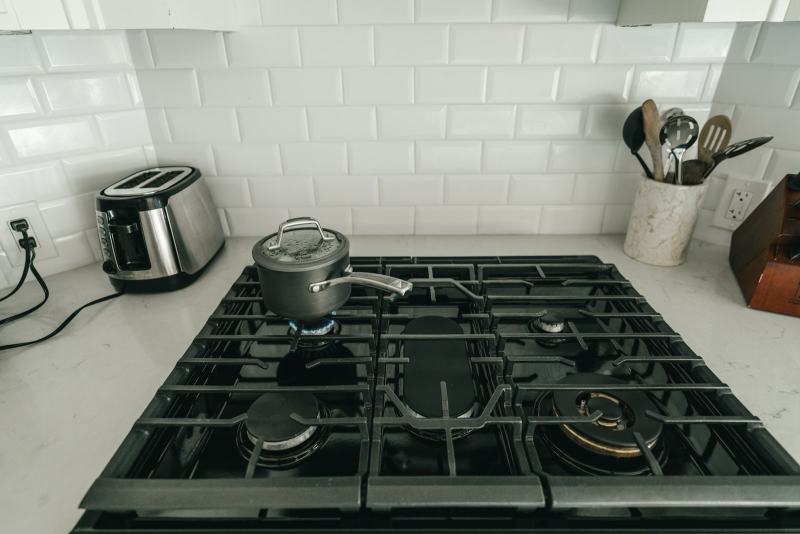
It costs $500 to $2,500 to install a pot filler. The faucet is $100 to $700. The rest is the plumber and the work to bring water to the wall behind the range. A kitchen with an open wall or an easy basement run costs $500 to $1,200. A finished wall on a slab costs $1,500 to $2,500.
A pot filler is a small faucet on a folding arm, mounted over the stove. You fill a pot right where it cooks, with no heavy lifting from the sink. It is a luxury, but a handy one. This guide explains what it costs, what the plumber must do, and whether it is worth it for you.
What It Costs to Install a Pot Filler
Most homeowners pay $800 to $1,800. The plumber taps a cold water line, runs pipe to the wall behind the range, mounts the faucet, and tests it. The work takes three to six hours.
The faucet itself is a big swing. A basic unit is $100 to $250. A premium brass or custom finish is $400 to $700 or more.
The table below shows typical ranges. The sections after it explain what drives the cost.
What Drives the Cost
The water line is the main factor. A pot filler needs a cold water supply at the range wall. If a line is nearby, the job is easy. If the nearest pipe is across the room, the plumber must run a long line.
Wall access is next. An open wall during a remodel is simple. A finished wall must be opened and patched. A tile backsplash adds more work.
The foundation counts too. A basement or crawlspace gives easy access. A slab means running pipe through the wall or the attic.
Do You Need a Drain?
No. A pot filler has no drain. It sits over the stove, and any drips fall into the pot or onto the range. It has a shut-off valve at the wall, so the line is dry when not in use.
Some codes require a shut-off valve or an access panel. Many plumbers add a valve under the cabinet. Ask about it in your quote.
Water hammer can occur with a fast-closing valve. A small arrestor on the line prevents noise and pipe damage. It adds $20 to $60.
Where the Money Goes
The faucet is $100 to $700. Pipe and fittings are $30 to $150. Labor is $300 to $1,200, depending on the run.
Wall opening and patching add $150 to $500. Matching the tile or backsplash adds more. Our guide to a kitchen backsplash explains that work.
A permit is often needed, at $50 to $200. A shut-off valve and an arrestor add $40 to $100.
Is a Pot Filler Worth It?
It is worth it if you cook a lot, make big pots of soup or pasta, or hate to carry water across the kitchen. It is also a good fit for a high-end range with a big hood.
It is less useful for a small kitchen or a casual cook. A pot filler adds a spot for leaks and a place to clean. It adds value only in the right kitchen.
Think about the whole plan. A pot filler fits best in a remodel, when the wall is open and the range is staying put.
DIY or Hire a Plumber?
A skilled DIYer can install one with an open wall and a nearby water line. The work needs soldering, or push-fit fittings, and care with the wall. A bad joint inside the wall is a big problem.
Hire a plumber for a finished wall or a long run. Many pot filler leaks come from a joint that was made in a hurry. A pro also pressure-tests the line.
Plan It With Other Kitchen Work
A pot filler goes in best with other kitchen work. If you move the sink, see our guide to moving a kitchen sink. New countertops are a good time to add one.
The range wall may also need electrical changes. See our guides to a 240V outlet and a dedicated circuit. Do all the wall work before the tile goes up.
If your pipes are old, see our guide to replacing galvanized pipe with PEX. It is easier with an open wall.
How to Keep the Cost Down
Install it during a remodel, when the wall is open. The plumber can run the line for a fraction of the cost of a retrofit.
Pick a simple finish. Chrome and stainless cost less than oil-rubbed bronze or custom colors. Choose a unit with a solid brass body and a good warranty.
The EPA WaterSense program offers tips to cut water use in the kitchen. A pot filler can save trips, but a drip can waste water. Check the valve for leaks once a year.
Choosing the Right Pot Filler
Look at the arm length and the reach. A 12-inch arm suits a standard range. A longer arm of 24 inches or more reaches the back burners and the far side of a large cooktop.
Check the material. Solid brass lasts longest and resists corrosion. Avoid cheap zinc parts that can crack over time. A ceramic cartridge is more durable than a rubber washer.
Pick a finish that matches your faucet and hardware. Chrome and stainless are easy to clean. Matte black and brass look modern but can show spots. A good finish carries a lifetime warranty.
Where to Place It
The usual spot is on the wall, centered above the range. The spout should reach the center of the largest burner. Mount it at a height that clears the tallest pot.
A deck-mounted model sits on the counter or the range. It needs a hole in the counter or a wall plate. A wall mount is the most common and the easiest to install.
Keep it away from the hood and the heat. Some hoods and tall backsplashes limit the space. Plan the height before the tile goes up.
Care and Maintenance
Wipe the pot filler with a soft cloth. Use a mild soap and avoid abrasive cleaners. Dry it after use to prevent spots, especially in hard water areas.
Close the valve at the wall after each use. That keeps the line dry and prevents drips. Check the joints once a year for signs of a slow leak.
If the faucet drips, replace the cartridge. It is an easy fix and costs $15 to $40. A small drip over the stove can ruin a backsplash, so fix it early.
Final Checks After Install
Open the valve slowly and check every joint for drips. Run the faucet for a minute to clear air from the line. Look at the wall below for any sign of moisture over the next few days.
Test the shut-off valve too. It should close fully and stop the flow. If it drips, call the plumber to fix it. Tackling a bathroom next? Our bathtub reglazing guide shows a cheap way to refresh an old tub.
Tell your plumber about any plans for the range. A new range in a different spot means the pot filler must move too. A short talk before the pipes go in saves a costly change after the tile is set.
Bottom Line
Budget $500 to $1,200 for an easy install and $1,500 to $2,500 for a finished wall or a long run. Choose a solid brass unit with a shut-off valve.
A pot filler is a nice extra. Add it during a remodel for the best value.
| Item | Low | High | Unit | Notes |
|---|---|---|---|---|
| Open wall, nearby water line | $500 | $1,200 | total | |
| Finished wall, nearby water line | $900 | $1,800 | total | |
| Long water line run | $1,200 | $2,200 | total | |
| Slab foundation with tile backsplash | $1,500 | $2,500 | total | Includes wall opening and patch |
| Item | Low | High | Unit |
|---|---|---|---|
| Pot filler faucet | $100 | $700 | total |
| Pipe and fittings | $30 | $150 | total |
| Plumber labor | $300 | $1,200 | total |
| Wall opening and patch | $150 | $500 | total |
| Valve and arrestor | $40 | $100 | total |
Frequently asked questions
How much does it cost to install a pot filler?
Does a pot filler need a drain?
Can I install a pot filler without opening the wall?
Is a pot filler a good idea?
Does a pot filler need a permit?
Related cost guides
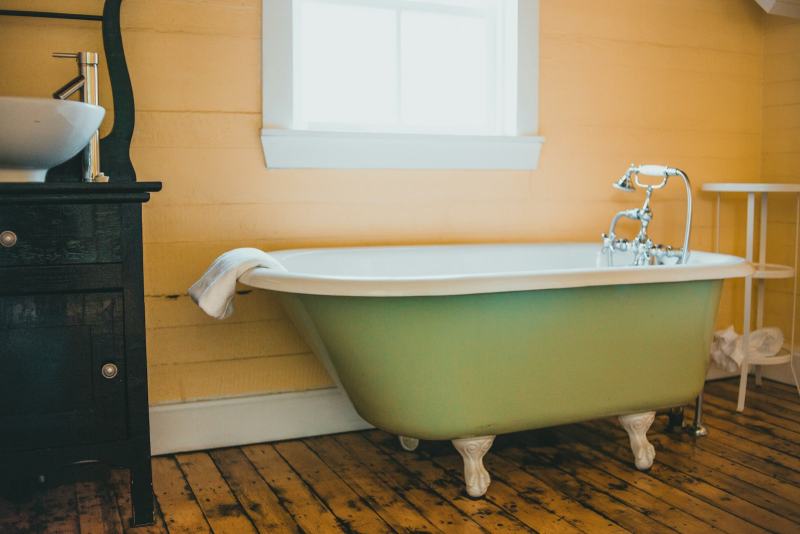
Cost to Reglaze a Bathtub: Price Ranges
What it costs to reglaze a bathtub, how long the finish lasts, and when replacing the tub is the smarter spend.
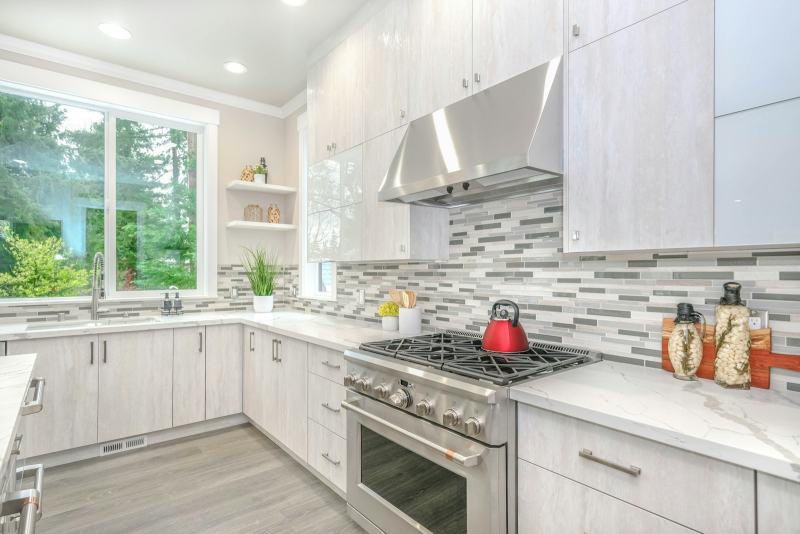
Cost to Install a Kitchen Backsplash
What it costs to install a kitchen backsplash per square foot, tile type comparisons, and where the labor cost really...
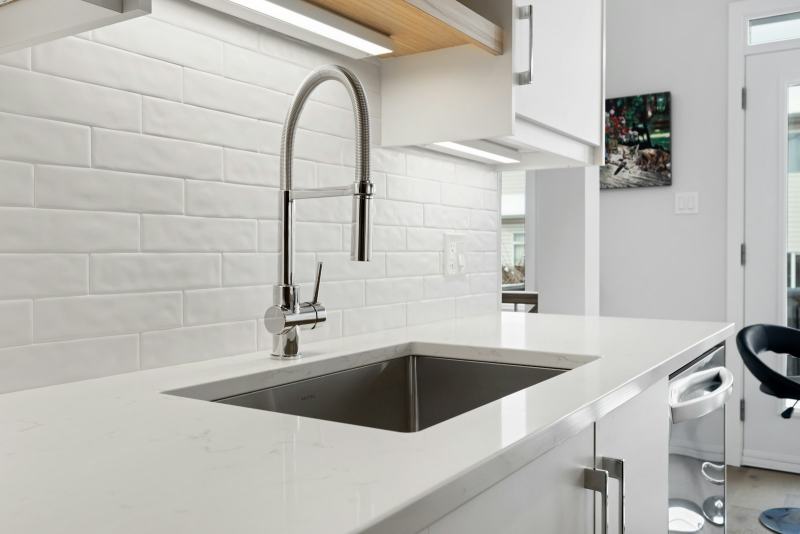
Cost to Move a Kitchen Sink: Price Ranges
What it costs to move a kitchen sink, why drains drive the price, and how an island sink changes the plumbing bill.
Cost to Replace a Toilet Flange
What it costs to replace a toilet flange, PVC versus cast iron, when a cheap extender works instead, and when the fix...