Cost to Replace Galvanized Pipe With PEX
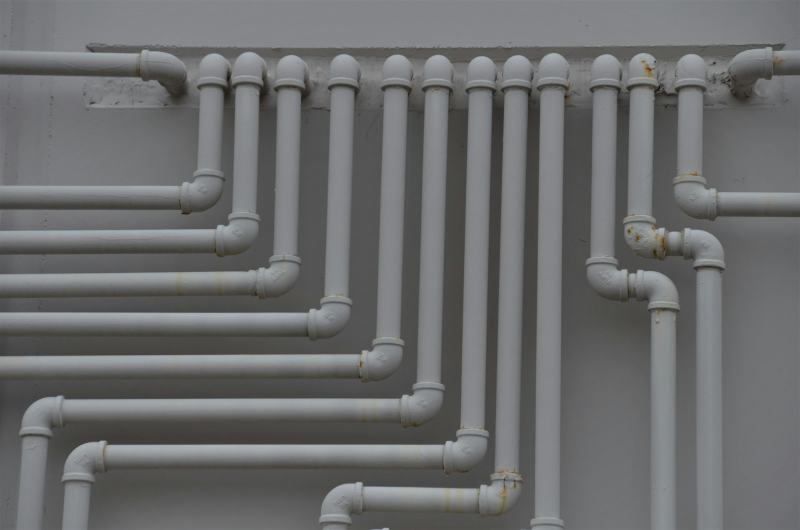
It costs $1,500 to $8,000 to replace galvanized pipe with PEX. A partial job, such as one bathroom or the kitchen supply, runs $1,500 to $3,500. A full repipe of a typical house runs $4,000 to $8,000. The wide spread comes from house size, access, and how much wall must be opened.
Galvanized steel pipe was standard until the 1960s. It rusts from the inside, narrows over time, and eventually leaks or chokes water pressure. PEX is flexible plastic tubing that does not corrode. This guide covers what a repipe costs, when a partial job is enough, and what to expect during the work.
What It Costs to Replace Galvanized Pipe With PEX
A small partial job costs $1,500 to $3,500. That covers a single bathroom, a kitchen run, or a basement section where the pipe is exposed. The work takes one to two days.
A whole-house repipe costs $4,000 to $8,000. A small ranch with open basement access sits near the low end. A two-story home with finished walls sits near the high end.
The table below shows typical ranges. The sections after it explain the factors that move the price.
Why Galvanized Pipe Fails
Galvanized pipe is steel with a zinc coating. Over decades the zinc wears away and the steel rusts from the inside. Mineral scale builds up and shrinks the opening of the pipe.
The signs are easy to see. Low water pressure is the most common. Brown or rust-colored water, especially after the tap sits unused, is another. Leaks at the threaded joints are the third.
Once pipe has reached this stage, it does not heal. The only fix is replacement. Patching a leak just moves the failure to the next weak joint.
Partial Repipe vs. Whole-House Repipe
A partial repipe replaces only the worst sections. It suits a house where part of the plumbing is already copper or PEX. It also suits a budget that cannot cover the whole job right now.
A whole-house repipe replaces every supply line at once. It costs more up front. It also ends the problem, and it is often cheaper than doing the house in pieces over many years.
Ask the plumber to check where old and new pipe meet. Mixing galvanized with copper without the right dielectric fitting causes fast corrosion.
Why PEX?
PEX is cheaper than copper by a wide margin. Materials cost about a third as much. It is also faster to install because it bends around corners and needs fewer joints.
PEX does not corrode or scale. It handles freezing better than copper, since it can expand a little without splitting. It also runs quietly.
It has limits. It should not sit in direct sunlight, and it should not be used right next to a gas water heater flue. A good plumber will use copper for those short runs.
Where the Money Goes
PEX tubing and fittings cost $300 to $900 for a typical house. A manifold, which splits the supply to each fixture, adds $150 to $400. Labor is the bulk of the bill, at $2,000 to $5,000 for a full repipe.
Wall and ceiling repair adds $500 to $2,500. A permit is nearly always required for a repipe, at $50 to $400. The plumber should pull it and schedule the inspection.
Hot water is also part of the picture. If your water heater is old, it is smart to replace it in the same project.
What to Expect During the Work
The water is off for most of one or two days. A good plumber stages the work so you have water at night. Plan on dust and noise, especially if walls are opened.
The plumber runs new lines from a main manifold to each fixture. They cut small access holes in drywall, usually in closets and behind fixtures. After the pressure test, the holes are patched. Painting is up to you unless it is in the quote.
The inspector will check the pressure test and the fittings. Ask your plumber to be on site for that visit. Once it passes, the water is turned back on for good.
Related Jobs to Plan Together
A repipe is the best time to fix other supply-side items. A pressure-reducing valve protects new pipe from high street pressure. A new main shut-off valve is cheap while the lines are open.
If you are also updating a bathroom, ask about shower valve replacement, which is easier with open walls. For a larger project, see our guide to a small bathroom remodel.
Drain pipes are a separate system. If they are also old, a failing sump pump or slow drains may point to deeper problems. Ask the plumber for a full assessment.
How to Keep the Cost Down
Get three quotes. A repipe is a large job and prices vary widely. Ask each plumber to put the pipe material, the number of fixtures, and the wall repair in writing.
Choose a time when the house is easy to work in. A vacant or lightly used house costs less to repipe. Clear closets and furniture before the crew arrives. A faster job is a cheaper job.
The EPA guide to lead in drinking water explains why older plumbing can be a health concern. Replacing old pipe can help protect your water quality.
How to Tell What Your Pipes Are Made Of
Galvanized pipe is dull gray and magnetic. Scratch it with a key. If the scratch shows silver-gray metal, it is steel. A magnet will stick to it. Copper is orange-brown, and a magnet will not stick.
Look at the pipe where it enters the house and near the water heater. Threaded joints and rust stains are signs of galvanized pipe. A plumber can confirm it in a few minutes.
Also check the water. Rust-colored water, low flow at several faucets, and frequent leaks all point to old galvanized pipe. If you see these, get a quote before the pipe fails.
How to Compare Repipe Quotes
Ask each plumber to count the fixtures and list them. A quote that names every sink, toilet, tub, and hose bib is more reliable than a lump sum. Ask whether the price includes wall repair and paint.
Check the pipe type and the brand. Good PEX carries a long warranty, often 25 years. Ask about the fittings too. Crimp and expansion fittings both work well when installed correctly.
Ask about the permit and the inspection. A plumber who skips the permit may leave you with a problem when you sell. Also ask about the schedule and how long the water will be off each day.
Prepare Your Home for a Repipe
Clear the areas where the crew will work. Move furniture away from walls, and empty closets and under-sink cabinets. Cover floors and belongings with plastic or drop cloths.
Plan for water outages. Fill a few jugs for drinking and cooking. Plan to use a neighbor or a gym for showers on days when the water is off.
Protect pets and kids from the noise and the dust. A repipe is a messy job, but a good crew cleans up each day. After the work, run each tap for a few minutes to flush out any debris.
Bottom Line
Budget $1,500 to $3,500 for a partial galvanized-to-PEX job and $4,000 to $8,000 for a whole-house repipe. Get a permit, a pressure test, and a written warranty.
If your pipes are rusting from the inside, do not wait. A planned repipe costs far less than the water damage from a pipe that bursts.
| Item | Low | High | Unit | Notes |
|---|---|---|---|---|
| One bathroom or kitchen run | $1,500 | $3,500 | total | |
| Partial repipe, basement or crawlspace only | $2,500 | $4,500 | total | |
| Whole-house repipe, small home | $4,000 | $6,000 | total | |
| Whole-house repipe, large or two-story home | $6,000 | $8,000 | total | Includes wall access and patching |
| Item | Low | High | Unit |
|---|---|---|---|
| PEX tubing and fittings | $300 | $900 | total |
| Manifold | $150 | $400 | total |
| Labor | $2,000 | $5,000 | total |
| Wall repair and patching | $500 | $2,500 | total |
| Permit and inspection | $50 | $400 | total |
Frequently asked questions
How long does galvanized pipe last?
Is PEX better than copper?
How long does a repipe take?
Do I need a permit to repipe my house?
Will a repipe fix my low water pressure?
Related cost guides
Cost to Replace a Main Water Shut-Off Valve
What it costs to replace a main water shut-off valve, gate versus ball valve, and why a failed valve is worth fixing b...
Cost to Replace a Sump Pump: Price Ranges
What it costs to replace a sump pump, submersible versus pedestal, battery backups, and how to tell when yours is abou...
Cost to Replace a Garbage Disposal
What it costs to replace a garbage disposal, horsepower and feed type, and when a repair is cheaper than a new unit.
Cost to Replace a Water Heater Heating Element
What it costs to replace a water heater heating element, why lukewarm water is usually the first sign, and when a plum...