Cost to Reglaze a Bathtub: Price Ranges
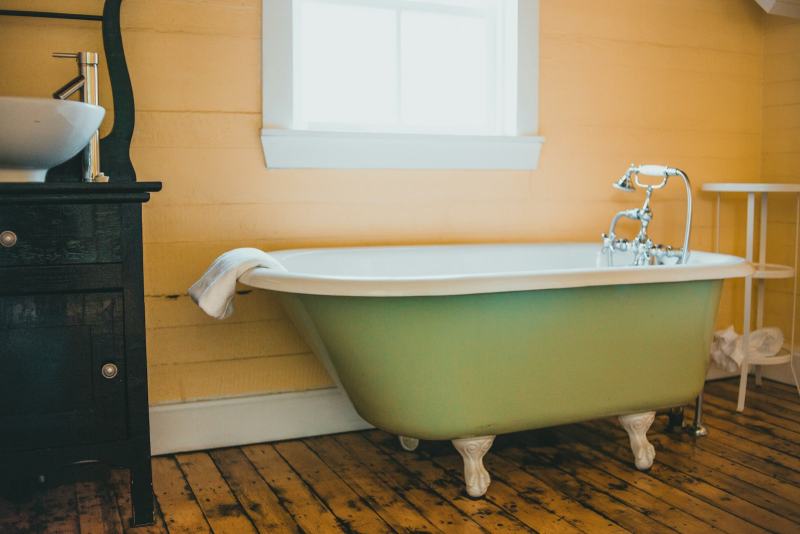
It costs $350 to $900 to reglaze a bathtub. Most homeowners pay $400 to $700 for a standard tub. A tub with a tile surround, deep chips, or a color change costs $700 to $1,200. A new tub costs $2,500 to $7,000 installed, so reglazing is a fraction of the price.
Reglazing, also called refinishing, sprays a new glossy coating over the old surface. It hides stains, rust, and dull spots, and it makes an old tub look new. This guide covers what it costs, how long it lasts, and when a replacement is the better call.
What It Costs to Reglaze a Bathtub
A standard tub costs $350 to $700. The pro cleans and etches the surface, fills chips, masks the area, and sprays on a bonding coat and a topcoat. The work takes three to five hours.
A tub with a surround costs $700 to $1,200. A surround covers the walls around the tub. It needs the same prep and doubles the area.
The table below shows typical ranges. The sections after it explain what pushes the price up or down.
What Changes the Price
Size and condition are the big factors. A deep soaking tub costs more than a standard one. Heavy rust, deep chips, or cracks need extra repair. Expect $50 to $200 for fills.
Material counts too. Porcelain-on-steel and cast iron take a glaze well. Fiberglass and acrylic can also be glazed but may need a different primer.
Color is the last factor. White is standard. A custom color costs $100 to $300 more.
How Long Does Reglazing Last?
A professional job lasts 10 to 15 years with care. A cheap or DIY kit may last two to five. The prep is the key. A coat sprayed on a dirty or unetched tub peels.
Wear and tear matter. Harsh cleaners, abrasive pads, and a dripping faucet shorten the life. Use a mild cleaner and a soft cloth. A drip leaves a dull spot that wears first.
Ask for a written warranty. A good installer offers one to five years on the finish.
Reglaze or Replace?
Reglaze if the tub is sound and the problem is looks. It costs a fraction of a new one and does not need plumbing work. It is also done in a day, with no demolition.
Replace if the tub is cracked, leaking, or rotted around the base. A refinish will not fix a structural problem. A new tub is also worth it if you want a different size or a walk-in design.
If you are going to remodel the whole room, see our guide to a small bathroom remodel. A tub-to-shower swap is another option and is part of a larger project.
Where the Money Goes
Materials, including the etcher, bonding agent, and coating, cost $50 to $150. Labor is $250 to $600. A small repair kit for chips is $20 to $60.
A tile surround adds $250 to $600. Fixing old caulk or replacing a drain is extra, at $50 to $200. A custom color is $100 to $300 more.
A DIY kit costs $40 to $100, but it comes with strong fumes and a lower success rate. A pro does it with a respirator and proper ventilation.
DIY or Hire a Pro?
DIY kits exist, but the results are mixed. The fumes are harsh, and the prep must be perfect. A rushed job peels in a year.
Hire a pro with a track record. Ask to see before and after photos and ask about the warranty. A pro uses spray equipment and a safe ventilation setup.
Plan the Rest of the Bathroom
A fresh tub is a good start. A tired shower can use a refresh too, so see our guides to retiling a shower and replacing a shower valve. A worn faucet also drips on the new finish.
A new vanity ties the look together. For safety, add grab bars while the room is open. If the toilet rocks, see our guide to a toilet flange.
Do the reglazing last. Any plumbing or tile work near the tub can scratch the new finish. Let the tub cure for 24 to 72 hours before use.
How to Keep the Cost Down
Get two quotes and ask what the price includes. Some quotes leave out repairs, caulk, or the surround. Ask for the warranty in writing.
Schedule the job with other bathroom work. A pro who is already there can do extra items for less. Clear the room and remove items before the pro arrives.
The EPA indoor air quality resources explain how to ventilate during a refinish. Open windows and run a fan, and keep kids and pets away for a day.
How the Process Works
The pro starts by cleaning the tub with a strong cleaner. Soap scum, oils, and old wax must come off. Then the surface is etched with a mild acid or sanded so the new coating will grip.
Next the pro fills chips and scratches with a putty made for tubs. The fixtures, drain, and nearby walls are masked or removed. The spray gun then lays down a primer and several thin coats of glaze.
The finish needs time to cure. Most pros ask you to stay out of the tub for 24 to 72 hours. Do not run water or use the tub until the pro gives the all-clear.
Care Tips After Reglazing
Clean the tub with a soft cloth and a mild, non-abrasive cleaner. Avoid scouring powders, steel wool, and bleach. These can dull the shine and wear down the coating.
Fix any dripping faucet right away. A steady drip leaves a stain and wears a spot in the finish. Use a rubber mat with care, since suction cups can trap dirt and damage the glaze.
Do not use the tub as a sink for paint or dye. Harsh chemicals can stain or soften the coating. A gentle routine will keep the finish bright for years.
Questions to Ask the Installer
Ask what product the pro uses. A two-part urethane or epoxy coating is tougher than a basic enamel. Ask how long the pro has been in business and if they carry insurance.
Ask about ventilation and fumes. The coating has strong odors during the job. A good pro uses a respirator and a fan, and asks you to keep kids and pets out.
Ask for photos of recent work and for customer references. Reglazing is a skilled trade. A pro with a long record is worth a few extra dollars.
When Not to Reglaze
Skip reglazing if the tub has deep cracks, soft spots, or a rotted floor around it. The coating cannot fix a structural problem. It will also fail if water keeps getting underneath.
In those cases, replacing the tub is the better value.
Budget time for the full cure as well. If you have only one bathroom, plan to use a gym or a neighbor shower for two or three days. A rushed return to the tub can leave marks in the soft finish that never come out.
Bottom Line
Budget $350 to $700 to reglaze a standard bathtub and up to $1,200 with a tile surround or custom color. Choose a pro with a written warranty.
If the tub is cracked or leaking, replace it instead. For a sound tub with a tired finish, reglazing is the best value in the bathroom.
| Item | Low | High | Unit | Notes |
|---|---|---|---|---|
| Standard tub, white | $350 | $700 | total | |
| Tub with heavy chip or rust repair | $500 | $900 | total | |
| Tub with tile surround | $700 | $1,200 | total | |
| Custom color | $450 | $1,000 | total | Adds $100 to $300 to the base price |
| Item | Low | High | Unit |
|---|---|---|---|
| Materials and coating | $50 | $150 | total |
| Labor | $250 | $600 | total |
| Chip and crack repair | $50 | $200 | total |
| Caulk and drain work | $50 | $200 | total |
Frequently asked questions
How long does it take to reglaze a bathtub?
Is it worth reglazing a bathtub?
How long does a reglazed tub last?
Can you reglaze a fiberglass tub?
Can I change the color when I reglaze?
Related cost guides
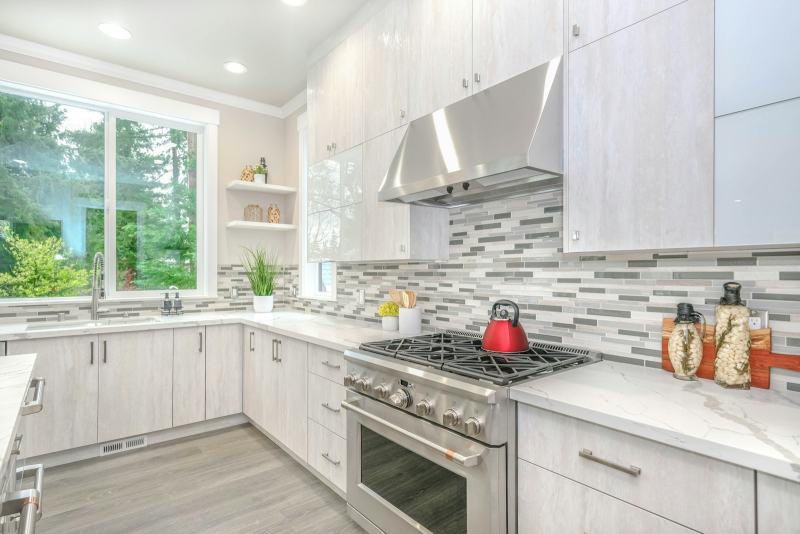
Cost to Install a Kitchen Backsplash
What it costs to install a kitchen backsplash per square foot, tile type comparisons, and where the labor cost really...
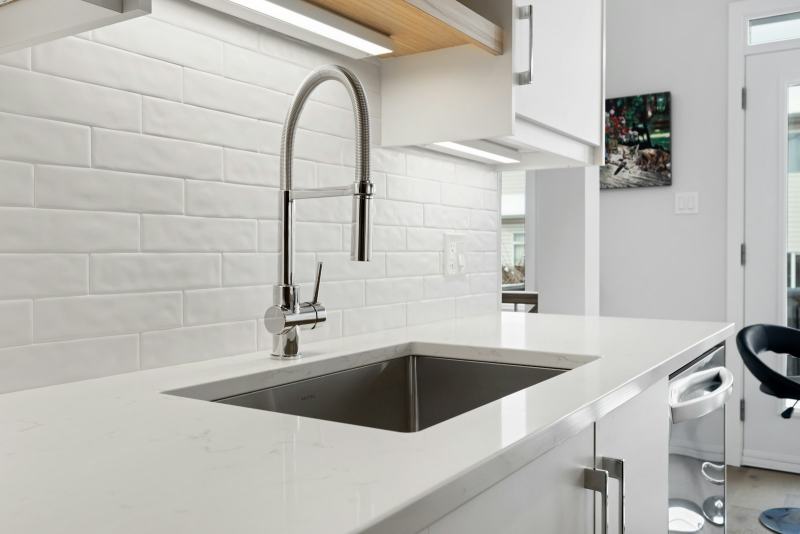
Cost to Move a Kitchen Sink: Price Ranges
What it costs to move a kitchen sink, why drains drive the price, and how an island sink changes the plumbing bill.
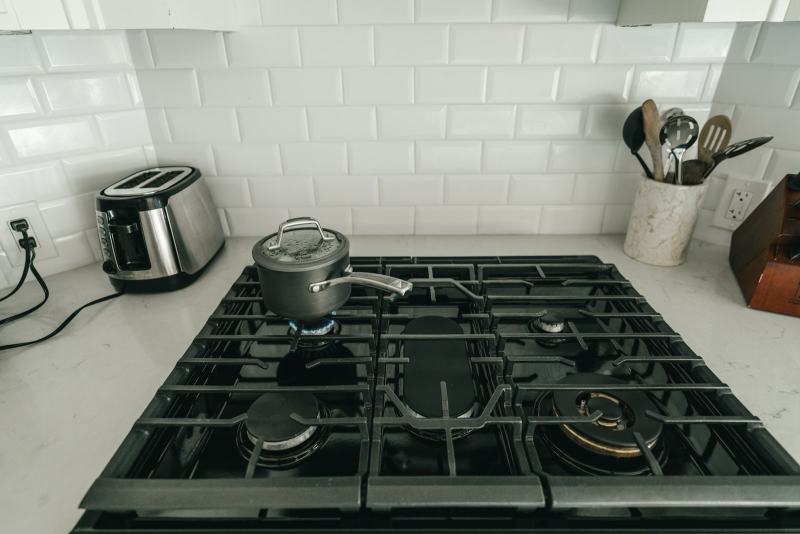
Cost to Install a Pot Filler: Price Ranges
What it costs to install a pot filler faucet over the range, why the water line is the main expense, and when it is wo...
Cost to Replace a Toilet Flange
What it costs to replace a toilet flange, PVC versus cast iron, when a cheap extender works instead, and when the fix...