Cost to Move an Electrical Outlet
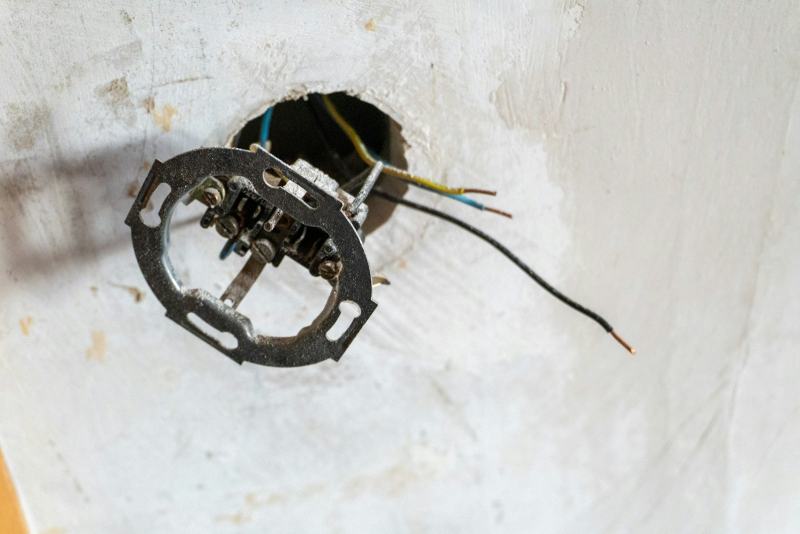
It costs $150 to $600 to move an electrical outlet. A short move of a few feet in a wall with easy access costs $150 to $300. A long run through a finished wall, a brick wall, or a ceiling costs $400 to $600. The outlet itself is a $3 part. You are paying for the wiring and the wall repair.
Moving an outlet is a common remodel job. A new kitchen layout, a wall-mounted TV, or a rearranged bedroom can all call for it. This guide covers what drives the price, when a new outlet is cheaper than moving one, and what the electrician will do.
What It Costs to Move an Electrical Outlet
Most homeowners pay $200 to $400. For that, an electrician cuts a new box into the wall, runs cable from the old location, wires the new outlet, and patches the old hole. The work takes one to three hours.
The price rises with distance and difficulty. Moving an outlet only a foot or two along the same wall is the easiest job. Moving it to a different wall or a different room needs a longer cable run.
The table below shows typical ranges. The sections after it explain the factors that move the price.
What Changes the Price
Wall type is the biggest factor. Drywall with an open stud bay is easy to work in. Plaster and lath are harder to cut. Brick, block, and concrete need special tools and add $100 to $300.
Access also counts. If the cable can run through an open basement or attic, the job is quick. If the electrician has to fish cable through a finished wall with fire blocking, it takes longer.
The number of outlets on the circuit matters too. If the old outlet feeds others downstream, the electrician has to reconnect them. A simple end-of-run outlet is the cheapest to move.
Move an Outlet or Add a New One?
In many cases, adding a new outlet is cheaper and more useful than moving one. A new outlet off the same circuit costs $120 to $350. The old one stays where it is.
Move the outlet only if the old spot is blocked, such as behind a new cabinet or a built-in. Otherwise, adding one gives you more places to plug in and no wall to patch.
If the circuit is already full, a new outlet needs more capacity. Our guide to adding a dedicated circuit covers that case.
Where the Money Goes
The outlet and cover plate cost $3 to $15. A new old-work box is $2 to $8. The cable is $0.50 to $1.50 per foot.
Electrician labor is $75 to $150 per hour. Most jobs take two to four hours. Drywall patching adds $75 to $250. A permit, if required, is $30 to $150.
GFCI protection is required in kitchens, baths, garages, and outdoors. A GFCI outlet costs $15 to $30 and is worth installing at the new spot. Code in many areas now requires it.
Safety and Code
The National Electrical Code sets rules on how many outlets a circuit can serve and how far apart they must sit. A licensed electrician knows the local version. Outlets must be placed so no point on a wall is more than six feet from one.
Aluminum wiring or very old cloth-covered wire needs special handling. If your home has either, the electrician may recommend a bigger repair. Our guide to rewiring a house covers that.
Do not move an outlet by pulling the wire into a new box without a splice box. A hidden splice is a fire risk. Every connection must stay in an accessible box.
DIY or Hire an Electrician?
A confident DIYer can do this in an open wall with the power off at the breaker. Test with a voltage tester before you touch a wire. Use the right cable gauge for the circuit.
Hire a licensed electrician if the wall is closed, the wiring is old, or you do not have a permit. A mistake can start a fire, and an unpermitted job can cause problems with insurance or a home sale.
Related Electrical Jobs to Bundle
Once the wall is open, it is cheap to add other work. New recessed lighting can share the same access. A new 240V outlet for a dryer or a range is easier with open walls.
If your panel is full, you may be limited to what you can add. The garage subpanel guide covers one way to get more capacity. For bigger power needs, see our whole-house surge protector guide, which protects the new wiring and your devices.
A new ceiling fan often needs a new wire run too. See our guide to installing a ceiling fan for the cost.
How to Keep the Cost Down
Bundle the work. An electrician charges a trip fee for each visit. Moving three outlets in one visit costs far less than three separate visits.
Make the access easy. Clear furniture away from the wall and be ready to patch and paint yourself. Many electricians will skip the patching if you offer to do it.
Get two quotes and ask whether the price includes the permit and the patch. The CPSC electrical safety guide is a good place to learn the basics before you hire.
How the Electrician Does the Work
The electrician starts at the panel. They turn off the circuit and test the wires to confirm the power is dead. Then they mark the new spot and cut an opening for the box.
Next comes the wire. The electrician runs cable from the old box to the new one, through the studs or the attic. The old opening is closed with a blank cover or patched with drywall.
Finally they wire the outlet, restore the power, and test it. A tester checks that the outlet is wired correctly and grounded. A GFCI test button is checked where it applies.
Common Reasons to Move an Outlet
A new TV mount is the most common reason. People want the outlet behind the screen, so the cord stays hidden. A recessed box can hold the plug flat against the wall.
Kitchen remodels are another reason. A new counter layout or a new range placement often leaves outlets in the wrong spot. A kitchen needs outlets every four feet along the counter.
Furniture changes also drive the work. A new bed, a built-in desk, or a home office may call for outlets in new places. In those cases, adding outlets may be the easier fix.
Questions to Ask the Electrician
Ask whether the price includes the patch and paint. Many electricians leave the wall open for a drywall pro. A quote that spells it out avoids a surprise.
Ask how the new box will be wired. A good electrician will not leave a splice hidden in a wall. Every splice must sit in an accessible box with a cover.
Ask whether the circuit can handle the load. If the circuit already feeds many items, a new outlet may overload it. The electrician can tell you in a few minutes.
Finishing the Wall
After the new outlet is live, the old hole needs a patch. A small hole takes a patch kit, joint compound, and a coat of paint. Let each coat dry before you sand.
If the wall has a textured finish, match it with a spray can. A good patch is invisible once the paint is dry.
Bottom Line
Budget $150 to $300 for a short outlet move in an easy wall and $400 to $600 for a long run, a finished wall, or masonry. Ask whether a new outlet would do the job for less.
Use a licensed electrician if you are not sure what is inside the wall. A cheap shortcut here is a risk to the whole house.
| Item | Low | High | Unit | Notes |
|---|---|---|---|---|
| Short move, same wall, open access | $150 | $300 | total | |
| Move to a different wall | $250 | $450 | total | |
| Move through a finished or plaster wall | $350 | $600 | total | |
| Move in a brick or block wall | $400 | $600 | total | Includes chasing the wall and patching |
| Item | Low | High | Unit |
|---|---|---|---|
| Outlet, box, and cover plate | $5 | $25 | total |
| Cable, per foot | $1 | $2 | per ft |
| Electrician labor | $150 | $450 | total |
| Drywall patch | $75 | $250 | total |
| Permit | $30 | $150 | total |
Frequently asked questions
How much does it cost to move an outlet a few feet?
Can I move an outlet myself?
Is it cheaper to add an outlet than move one?
Do I need a permit to move an outlet?
Do outlets need to be GFCI protected?
Related cost guides
Cost to Install Recessed Lighting
What it costs to install recessed lighting per can, retrofit versus new construction, and how many lights a room reall...
Cost to Install a Whole-House Surge Protector
What it costs to install a whole-house surge protector, panel versus meter types, and what the surge rating really tel...
Cost to Add a Dedicated Circuit
What it costs to add a dedicated circuit, 15, 20, and 30-amp options, and when your panel needs help before you can ad...
Cost to Install a 240V Outlet
What it costs to install a 240V outlet for a dryer, range, welder, or EV charger, and why the wire run and plug type m...