Cost to Install a Kitchen Backsplash
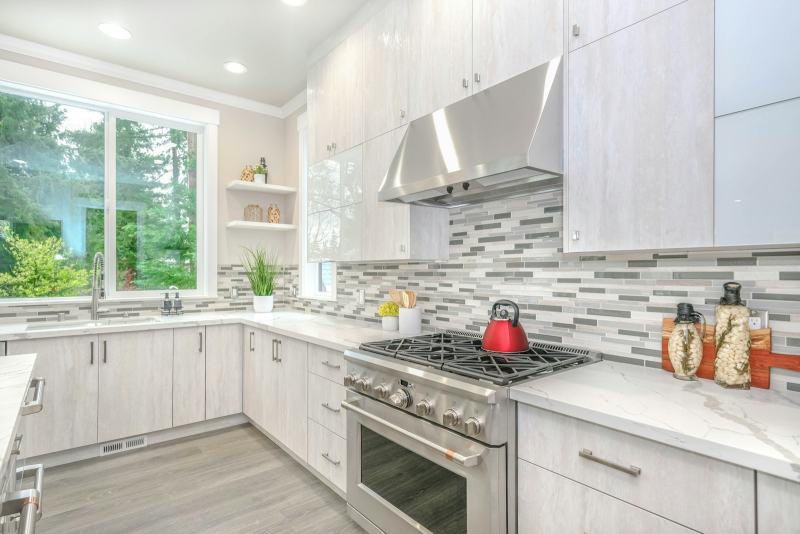
It costs $10 to $40 per square foot to install a kitchen backsplash. For most kitchens that means $500 to $2,500. Basic ceramic subway tile costs $10 to $20 per square foot installed. Glass, stone, or mosaic tile costs $25 to $40 or more. A typical backsplash covers 25 to 40 square feet.
A backsplash protects the wall from splashes and stains, and it is the best way to add style to a kitchen. It is also a small area, so a good choice does not cost a fortune. This guide breaks down the price by material, where the labor goes, and how to keep costs in check.
What It Costs to Install a Kitchen Backsplash
Most homeowners pay $800 to $1,800. That covers tile, thin-set, grout, trim, and a tile setter for one to two days. Labor is often half the total.
A simple layout with large tile costs the least. A small mosaic, a herringbone pattern, or tile that runs to the ceiling costs more. Cuts around outlets and windows add time.
The table below shows typical ranges. The sections after it explain how material choice changes the price.
Backsplash Material Costs
Ceramic subway tile is the budget pick. The tile is $1 to $5 per square foot. It is durable, easy to clean, and always in style.
Porcelain is slightly tougher and costs $2 to $8 per square foot. Glass tile is $8 to $25 and gives a bright, modern look. Natural stone, such as marble or travertine, is $10 to $40 and needs sealing.
Peel-and-stick tile is the cheapest at $2 to $8 per square foot and is a DIY option. It does not last as long and does not add much value.
Where the Labor Cost Goes
A tile setter charges $5 to $25 per square foot for labor. The price depends on the pattern and the number of cuts. A simple grid is fast. A mosaic sheet or a diagonal pattern is slow.
Prep counts too. The wall must be clean, flat, and dry. Old tile or damaged drywall needs to be removed first. Removal adds $100 to $400.
Do the backsplash after the countertop. See our guide to replacing kitchen countertops. A new top often damages the old wall tile, so many people do both at once.
How Much Tile Do You Need?
Measure the width and height of each wall. Multiply to get the area. Subtract the window and range hood. Add 10 to 15 percent for cuts and waste.
A standard backsplash runs 18 inches high between the counter and the upper cabinets. A 12-foot run is about 18 square feet. A full-height backsplash to the ceiling is bigger and costs more.
Buy extra tile from the same lot. A later batch can differ in color. Keep a few spare pieces for repairs.
Where the Money Goes
Tile is $1 to $25 per square foot for most picks. Thin-set, grout, and sealer are $50 to $150 total. Trim and edge pieces are $30 to $150.
Labor is $200 to $1,000 depending on the area. Outlet cover extenders and electrical work add $10 to $150. If you want to move an outlet, see our guide to moving an electrical outlet.
Disposal of the old tile is $50 to $150. A permit is rarely needed for a tile backsplash.
DIY or Hire a Tile Setter?
Tile is a good DIY project for a small, simple backsplash. Subway tile on a flat wall is forgiving. You need a wet saw, spacers, and patience.
Hire a pro for a mosaic, a stone, or an uneven wall. A pro also finishes cuts and edges cleanly. A crooked line or a bad grout joint is on display every day.
Plan the Kitchen as a Whole
A backsplash is one part of a kitchen refresh. Lighting makes tile look better, so see our guide to recessed lighting. A pot filler over the range needs plumbing in the wall, so see installing a pot filler before you tile.
If you plan to move the sink, see our guide to moving a kitchen sink. Do all wall work before the tile goes up. A hole in new tile is costly to patch.
A new disposal fits at this time too. See our garbage disposal guide.
How to Keep the Cost Down
Choose a standard size tile in a simple pattern. Skip small mosaics and fancy layouts. Use a tile that is easy to cut and sets fast.
Buy tile yourself if the setter allows it. Compare prices at a big-box store and a tile shop. Ask for a labor-only quote for the setter.
The Tile Council of North America publishes standards for tile installation. A setter who follows them gives you a result that lasts.
How a Tile Setter Works
The setter first preps the wall. They clean it, patch any holes, and mask the counter and the cabinets. Outlets are turned off and the cover plates are removed.
Next they plan the layout. The setter finds the center of the wall and dry-fits the tile, so the cuts at the ends are balanced. A level line keeps the rows straight.
The tile is set in thin-set mortar with spacers between pieces. After the mortar cures, the setter grouts the joints and wipes off the haze. A bead of caulk where the tile meets the counter finishes the job.
Choosing Grout and Sealer
Grout color changes the look. A light grout blends with the tile for a clean look. A dark grout makes the pattern stand out and hides stains. Epoxy grout resists stains better but costs more.
Sand-free grout suits narrow joints. Sanded grout suits joints wider than an eighth of an inch. Your setter will choose the right type for your tile.
Natural stone and cement-based grout must be sealed. A sealer slows stains from oil and splashes. Plan to reseal every year or two, which takes about an hour.
Common Backsplash Mistakes
Poor planning is the top mistake. A pattern that ends in a thin sliver at a corner looks bad. A good layout puts full tiles in the most visible areas.
Skipping the prep is another. Grease and dust keep the mortar from sticking. Tile that pops off in a year was often set on a dirty wall.
Forgetting the outlets is a third. Tile that is cut tight around a box can crack when the cover is replaced. Plan for box extenders so the plugs sit flush with the tile.
Cleaning and Upkeep
Wipe the tile with a mild cleaner and a soft cloth. Clean the grout lines with a soft brush and a baking soda paste. Avoid harsh acids, which can dull some stones and eat away at grout.
Reseal natural stone and grout when water no longer beads on the surface. It is a quick job that keeps stains away.
Take a photo of the wall before the tile goes up. It shows where the pipes and wires run if you ever need to open it. Keep a few spare tiles and a note of the grout color for later repairs.
Bottom Line
Budget $10 to $20 per square foot for a basic ceramic backsplash and $25 to $40 for glass or stone. Most kitchens cost $800 to $1,800 in all.
It is a small area with a big effect. Pick a simple material, hire a careful setter, and plan the wall work first.
| Item | Low | High | Unit | Notes |
|---|---|---|---|---|
| Peel-and-stick tile | $5 | $15 | per sq ft | |
| Ceramic or porcelain subway tile | $10 | $20 | per sq ft | |
| Glass tile | $20 | $35 | per sq ft | |
| Natural stone or mosaic | $25 | $40 | per sq ft | Needs sealing; more cuts |
| Item | Low | High | Unit |
|---|---|---|---|
| Tile, per sq ft | $1 | $25 | per sq ft |
| Thin-set, grout, and sealer | $50 | $150 | total |
| Labor | $200 | $1,000 | total |
| Old tile removal | $100 | $400 | total |
Frequently asked questions
How much does a kitchen backsplash cost per square foot?
How long does it take to install a backsplash?
Can I install a backsplash myself?
What is the cheapest backsplash?
Should the backsplash go up before or after the countertop?
Related cost guides
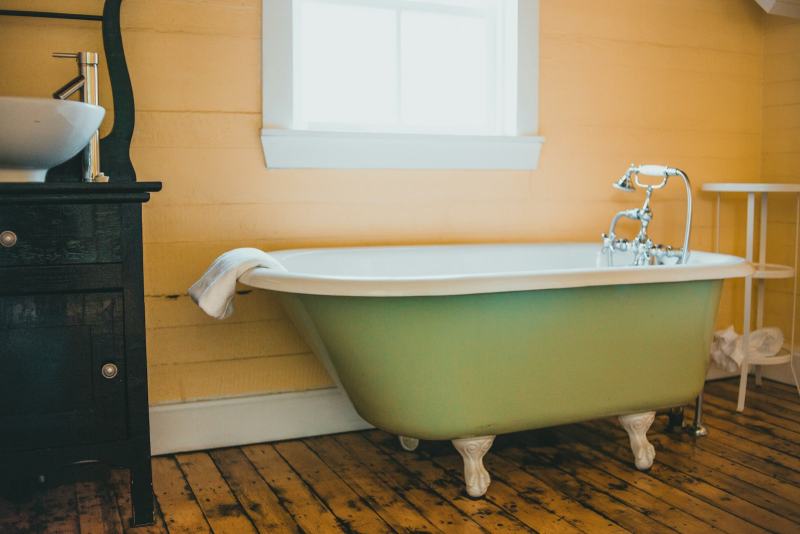
Cost to Reglaze a Bathtub: Price Ranges
What it costs to reglaze a bathtub, how long the finish lasts, and when replacing the tub is the smarter spend.
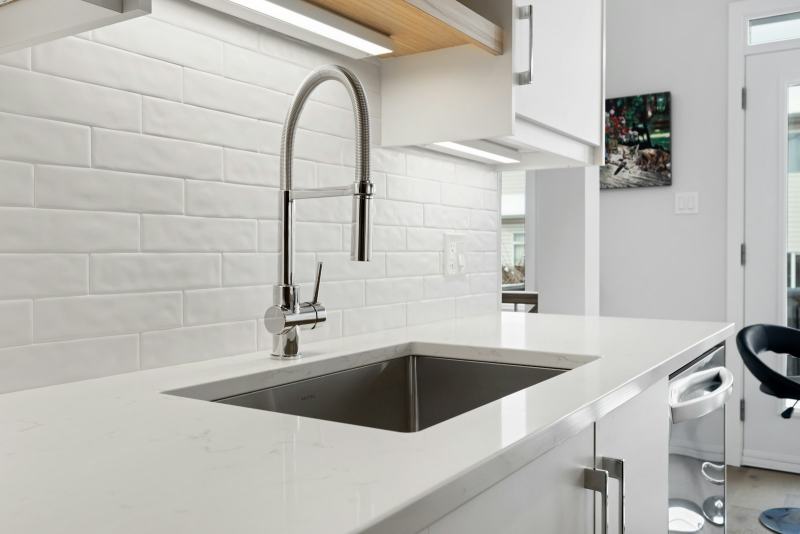
Cost to Move a Kitchen Sink: Price Ranges
What it costs to move a kitchen sink, why drains drive the price, and how an island sink changes the plumbing bill.
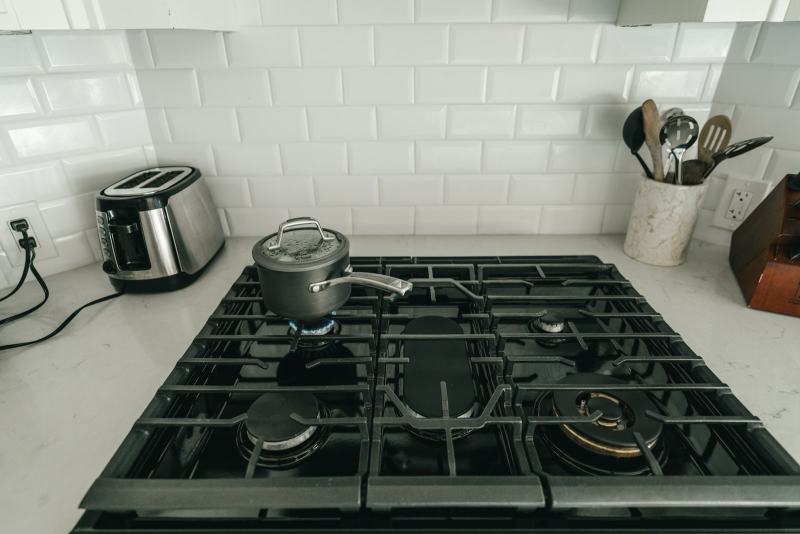
Cost to Install a Pot Filler: Price Ranges
What it costs to install a pot filler faucet over the range, why the water line is the main expense, and when it is wo...
Cost to Replace a Toilet Flange
What it costs to replace a toilet flange, PVC versus cast iron, when a cheap extender works instead, and when the fix...