Cost to Add a Dedicated Circuit
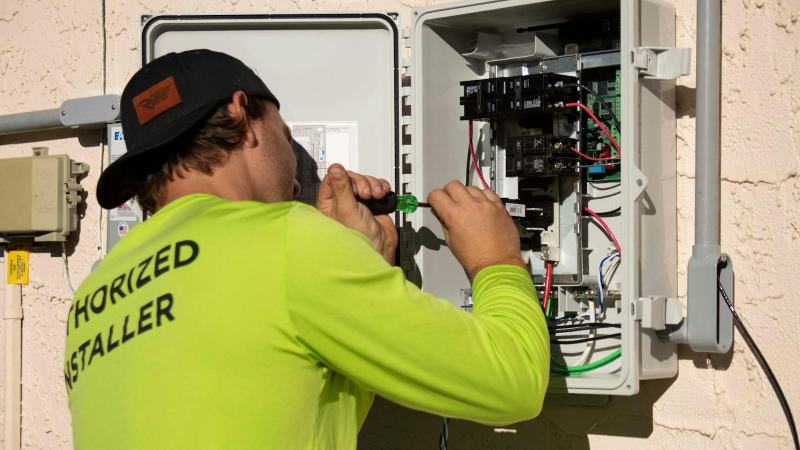
It costs $250 to $1,200 to add a dedicated circuit. A short 20-amp run from the panel to a nearby wall costs $250 to $500. A long run, a finished basement, or a panel with no open slots costs $700 to $1,200. The breaker and cable are cheap. The labor to run them is the cost.
A dedicated circuit serves one appliance or one area and nothing else. Microwaves, window air conditioners, freezers, and home offices often need one. It stops trips and overloads, and it is safer. This guide covers the cost by amp rating, the factors that move the price, and when your panel limits you.
What It Costs to Add a Dedicated Circuit
Most homeowners pay $300 to $700. That buys a new breaker, cable from the panel to the outlet, and a new outlet. The work takes two to five hours.
A 15-amp or 20-amp circuit at the low end costs $250 to $500. A 30-amp or 50-amp circuit for a large appliance costs more because it needs heavier cable.
The table below shows typical ranges. The sections after it explain what drives the price.
Which Amp Rating Do You Need?
A 15-amp circuit powers lights and small devices. A 20-amp circuit suits a microwave, a freezer, a space heater, or a workshop. Most dedicated circuits in a home are 20 amps.
A 30-amp circuit is common for a dryer. A 40 to 50-amp circuit serves a range, an EV charger, or a hot tub. These use 240 volts and heavy cable. See our guides to a 240V outlet and a home EV charger for those jobs.
Check the nameplate on the appliance. It lists the amps it needs. The breaker must match it, and the wire must be sized for the breaker.
What Changes the Price
Distance from the panel is the top factor. Cable costs $0.50 to $3 per foot depending on gauge, and every extra foot is more labor.
Access matters too. An unfinished basement or attic makes the run simple. A finished wall needs fishing and patching. Brick and masonry need special work.
The panel itself is the last big factor. If it has no open breaker slots, the electrician may add a tandem breaker or a subpanel. If it is full and old, a panel upgrade may be the better call.
Where the Money Goes
The breaker is $10 to $60. The outlet and box are $5 to $25. Cable is $1 to $3 per foot for most circuits.
Electrician labor is $75 to $150 per hour, and a simple circuit takes two to five hours. Drywall patching adds $75 to $250. A permit is $30 to $200 and is required almost everywhere for a new circuit.
A GFCI or AFCI breaker is required for many circuits. It costs $40 to $90 and adds protection against shock and fire.
When Do You Need a Dedicated Circuit?
The code requires dedicated circuits for the kitchen, the laundry, a dishwasher, a disposal, and a few other items. Large appliances should also have their own circuit.
Signs you need one include breakers that trip when two devices run together, lights that dim when an appliance starts, and outlets that feel warm. These mean a circuit is overloaded.
A home office with a computer, a printer, and a space heater is a common case. So is a garage freezer, a sump pump, or a window AC. Our sump pump replacement guide notes why the pump should have its own outlet.
DIY or Hire an Electrician?
Adding a circuit means working in the main panel. Even with the main breaker off, parts of the panel can stay live. This is a job for a licensed electrician.
Permits and inspections protect you. An unpermitted circuit can cause trouble with insurance and a home sale. A pro will also size the wire and the breaker correctly.
Combine With Other Electrical Work
A new circuit is the best time to add other items. If you are putting in recessed lighting, a separate circuit keeps the load off the outlets. A moved outlet can share the same trip.
If you also want protection for your electronics, ask about a whole-house surge protector. It uses a double-pole slot in the same panel.
A kitchen appliance upgrade is a common reason for a new circuit. Our garbage disposal guide covers when one is needed.
How to Keep the Cost Down
Plan all your circuits at once. A single visit for three circuits costs far less than three visits. Ask the electrician to price them as a package.
Choose the shortest route. A circuit that comes from the panel through an open basement ceiling costs a lot less than one fished through a finished wall.
The NFPA electrical safety guide explains why overloaded circuits are a fire risk. Adding a dedicated circuit is a good way to lower that risk.
How the Electrician Does the Work
The electrician starts with a load check. They add up the power the panel already serves, to be sure it can handle more. If the load is too high, they may suggest a panel upgrade.
Next they run cable from the panel to the new spot. In an open basement, the cable runs along the joists. In a finished wall, they fish the cable through holes drilled in the studs.
Last, they install the breaker and wire the outlet. They test the circuit and label the breaker. A good electrician writes the new circuit on the panel directory so you can find it later.
Wire Size and Breaker Match
Wire size must match the breaker. A 15-amp breaker uses 14-gauge wire. A 20-amp breaker uses 12-gauge wire. A 30-amp breaker uses 10-gauge wire. Using a smaller wire can start a fire.
Never put a bigger breaker on a small wire to stop trips. The breaker is there to protect the wire. A trip is a sign that something is wrong, not a nuisance to fix.
Long runs may need a larger wire to avoid voltage drop. A tech can check the numbers. A well-sized wire runs cool and keeps appliances working at full power.
AFCI and GFCI Protection
AFCI breakers detect dangerous arcs in wiring. Code now requires them in most living areas. They cost more than standard breakers, but they help prevent fires.
GFCI protection guards against shock. It is required near water, in garages, basements, and outdoors. A GFCI breaker protects the whole circuit. A GFCI outlet protects the outlet and any downstream.
Some circuits need both. A dual-function breaker does the job of an AFCI and a GFCI in one device. It costs $50 to $90 and simplifies the install.
Planning for Future Needs
If you are adding one circuit, think about adding two. A spare circuit in a garage, an office, or a basement is cheap while the electrician is already there. It saves a second trip fee later.
Also ask about a spare conduit. A short pipe left in the wall makes the next run far easier.
Bottom Line
Budget $300 to $700 for a typical dedicated circuit and up to $1,200 for a long run or a full panel. Match the breaker and the wire to the appliance.
Do not run an extension cord or a power strip for a big appliance. A proper dedicated circuit is safer and costs less than the damage an overloaded one can cause.
| Item | Low | High | Unit | Notes |
|---|---|---|---|---|
| 15 or 20-amp circuit, short run | $250 | $500 | total | |
| 20-amp circuit, long run or finished walls | $500 | $900 | total | |
| 30-amp, 240V circuit | $450 | $900 | total | |
| 40 to 50-amp, 240V circuit | $600 | $1,200 | total | Includes heavy cable and a permit |
| Item | Low | High | Unit |
|---|---|---|---|
| Breaker, standard or AFCI | $10 | $90 | total |
| Outlet and box | $5 | $25 | total |
| Cable, per foot | $1 | $3 | per ft |
| Electrician labor | $150 | $600 | total |
| Permit | $30 | $200 | total |
Frequently asked questions
What is a dedicated circuit?
How long does it take to add a dedicated circuit?
Can I add a dedicated circuit myself?
How do I know if my panel has room?
Do I need a permit for a new circuit?
Related cost guides
Cost to Move an Electrical Outlet
What it costs to move an electrical outlet, how wall type and distance change the price, and when adding a new outlet...
Cost to Install Recessed Lighting
What it costs to install recessed lighting per can, retrofit versus new construction, and how many lights a room reall...
Cost to Install a Whole-House Surge Protector
What it costs to install a whole-house surge protector, panel versus meter types, and what the surge rating really tel...
Cost to Install a 240V Outlet
What it costs to install a 240V outlet for a dryer, range, welder, or EV charger, and why the wire run and plug type m...