Cost to Replace Roof Decking: Price Ranges
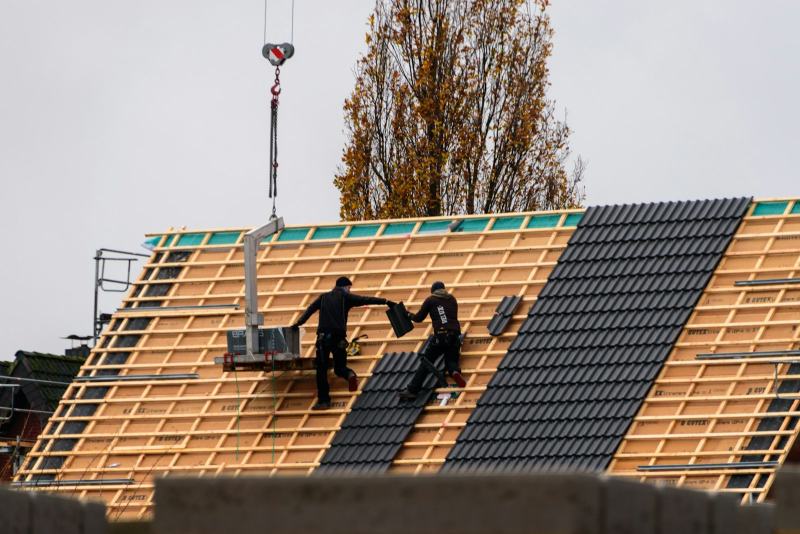
It costs $70 to $150 per sheet to replace roof decking, which works out to $2 to $5 per square foot. A few rotted sheets found during a reroof add $300 to $1,000 to the bill. A full re-deck of a typical roof costs $3,000 to $8,000. The sheet of wood is cheap. The labor to pull the old and nail the new is the cost.
Roof decking, also called sheathing, is the layer of plywood or OSB that sits on the rafters and holds the shingles. When it gets wet and rots, the roof loses its strength and its nail grip. This guide explains what the work costs, how to tell if you need it, and why most roofers quote it as an add-on.
What It Costs to Replace Roof Decking
Roofers price decking per sheet. A standard 4 by 8 foot sheet of 1/2 inch plywood or OSB costs $25 to $60 for the material. Installed, with labor, the price is $70 to $150 per sheet.
A full re-deck is priced per square foot. Expect $2 to $5. A 2,000 square foot roof costs $4,000 to $10,000 for a full re-deck. Most roofs need only a few sheets.
The table below shows typical ranges. The sections after it explain why decking is usually quoted as an unknown.
Why the Quote Says "Per Sheet"
A roofer cannot see the decking until the old shingles come off. Rot hides under the surface. A fair contract lists a base price and a per-sheet price for any bad decking.
This protects both sides. You do not pay for wood that is fine. The roofer does not eat the cost of surprise rot. Ask for the per-sheet price in writing before work begins.
Watch for a quote that includes "all decking" at a flat price. It can be a good deal, but check that it covers a full re-deck, not a few sheets.
Plywood vs. OSB
Plywood is made of glued wood veneers. It handles moisture better and keeps its shape. It costs $10 to $20 more per sheet than OSB.
OSB is made of compressed wood strands. It is cheaper and strong. It swells at the edges if it gets wet, and it can take longer to dry out.
Both are code-approved. Plywood is the better choice in damp climates and for roofs with a history of leaks. OSB is fine in dry regions and saves money.
Signs You Have Bad Decking
A soft or spongy feel underfoot is the biggest sign. Sagging between the rafters, dark stains on attic boards, and a musty smell are others. Shingles that curl or buckle may also point to a deck problem.
From the attic, look for dark, wet, or flaking wood. Use a screwdriver to probe it. If it sinks in easily, the wood is rotted.
Most rot starts at a leak. Common leak points are flashing, vents, and valleys. See our guides to repairing a roof leak and replacing roof flashing.
Where the Money Goes
The sheet is $25 to $60. Nails or screws are $5 to $15 per sheet. Labor is $40 to $80 per sheet.
Tear-off of the old shingles is a separate cost, at $1 to $2 per square foot. New underlayment and drip edge add more. A full re-deck often happens along with a full roof replacement.
A permit is usually part of the roof permit. Inspectors often check the decking nailing before the underlayment goes on.
Can You Replace Decking Without a Full Reroof?
Yes, for a small area. A roofer can cut out a rotted section, replace it, and patch the shingles. It is a repair, not a reroof. It costs $300 to $1,500 for a small patch.
The catch is the shingles. Older shingles are brittle and can crack during the work. If the roof is 15 or more years old, a patch may cost nearly as much as starting fresh.
A patch also does not fix the cause of the rot. Find the leak first. Otherwise the new wood will rot too.
Plan Decking With Other Roof Work
When the roof is open, it is the best time to fix other items. A cracked roof vent boot is a common leak source. A new skylight is easier to flash when the deck is exposed.
Add drip edge at the eaves while the deck is bare. Good airflow also protects new wood, so see our guide to adding attic ventilation.
If a storm has damaged the roof, a temporary fix may be needed first. See our guide to an emergency roof tarp.
How to Keep the Cost Down
Get three quotes and ask each for the per-sheet price. Compare the base price and the cost of extras. A low base with a high per-sheet price can cost more in the end.
Fix leaks early. Rot spreads, and a small leak can ruin a whole section of deck. Check your attic after heavy rain.
The National Roofing Contractors Association offers guidance on proper roof assembly. A deck that is dry and well nailed is the base of a long-lasting roof.
How Roofers Replace Decking
The crew strips the old shingles and underlayment down to the bare deck. A crew member walks the roof and marks every soft or stained sheet. The marked sheets are cut out and removed.
New sheets are cut to fit and nailed to the rafters. The seams must land on a rafter, with a small gap for expansion. The crew uses ring-shank nails or screws for a tight hold.
After the deck is done, the crew rolls out underlayment and installs drip edge, then the new roofing. Any bad deck found later can still be fixed before the shingles go on.
Common Causes of Deck Rot
Leaks are the top cause. A bad vent boot, failed flashing, or a worn shingle area lets water soak the wood. The damage often spreads along the rafters before anyone notices.
Poor attic ventilation is the quiet cause. Moist air from the house condenses on the cold underside of the deck. Over years, the wood turns dark and soft.
Ice dams also play a role. In cold areas, melting snow refreezes at the eaves and forces water under the shingles. The deck at the edge takes the damage first.
Questions for Your Roofer
Ask how the roofer will mark bad decking and show you proof. A photo of each bad sheet is a fair request. Ask what thickness they will use, and whether they match the old deck.
Ask about the nailing pattern. Code sets the spacing, and wind zones may need more nails. Good nailing also helps the roof pass an inspection and a wind claim.
Ask for the warranty terms. A good roofer warrants both the material and the work. Some also warrant the deck repair for a number of years.
A Final Check Before Shingles Go On
Before the new roofing goes down, walk the deck with your roofer. Look for gaps, loose sheets, and nail pops. Every issue is easy to fix now and costly to fix later.
Take photos of the finished deck. They are proof of the work if a question ever comes up.
Bottom Line
Budget $70 to $150 per sheet for roof decking replacement. A few bad sheets add $300 to $1,000 to a reroof. A full re-deck costs $3,000 to $8,000 for a typical house.
Get the per-sheet price in writing before the tear-off. It is the best way to avoid a surprise bill.
| Item | Low | High | Unit | Notes |
|---|---|---|---|---|
| Per sheet, OSB | $70 | $120 | total | |
| Per sheet, plywood | $80 | $150 | total | |
| Small patch repair | $300 | $1,500 | total | |
| Full re-deck, typical house | $3,000 | $8,000 | total | About $2 to $5 per sq ft |
| Item | Low | High | Unit |
|---|---|---|---|
| Sheet of OSB or plywood | $25 | $60 | total |
| Fasteners | $5 | $15 | total |
| Labor | $40 | $80 | total |
| Tear-off of old shingles, per sq ft | $1 | $2 | per sq ft |
Frequently asked questions
How do I know if my roof decking is rotted?
How much does a sheet of roof decking cost?
Do I need to replace decking during a reroof?
What thickness of decking is used?
Can I replace roof decking myself?
Related cost guides
Emergency Roof Tarp Cost: What to Expect
What an emergency roof tarp costs, how long it lasts, what insurance covers, and how to avoid scams after a storm.
Cost to Replace a Skylight: Price Ranges
What it costs to replace a skylight, fixed versus venting, why flashing matters, and when a leak means more than a new...
Cost to Add Drip Edge to a Roof
What it costs to add drip edge to an existing roof, why it prevents fascia rot, and the difference between a reroof ad...
Cost to Replace a Roof Vent Boot
What it costs to replace a roof vent boot, why the rubber cracks first, and when to bundle the fix with other roof wor...