Cost to Add Drip Edge to a Roof
It costs $2 to $6 per linear foot to add drip edge to a roof. For most homes that means $300 to $1,200. Adding it during a reroof costs the least, at $1 to $3 per foot. Retrofitting it to an existing roof costs more, because the roofer must lift shingles to slide it in. The metal is cheap. The labor is the cost.
Drip edge is a thin metal strip along the roof edges. It sends water into the gutter and away from the fascia and the deck. Many older homes have none. Without it, water wicks behind the gutter and rots the wood. This guide explains what it costs, why it matters, and how to add it.
What It Costs to Add Drip Edge to a Roof
A typical home has 150 to 250 feet of eaves and rakes. At $2 to $6 per foot, that is $300 to $1,500. Most homeowners pay $400 to $1,000.
Cost depends on timing. During a reroof, the roofer installs it before the shingles go down. It adds little labor. On an existing roof, the roofer lifts the first row of shingles to slide it under.
The table below shows typical ranges. The sections after it explain how the retrofit works.
What Drip Edge Does
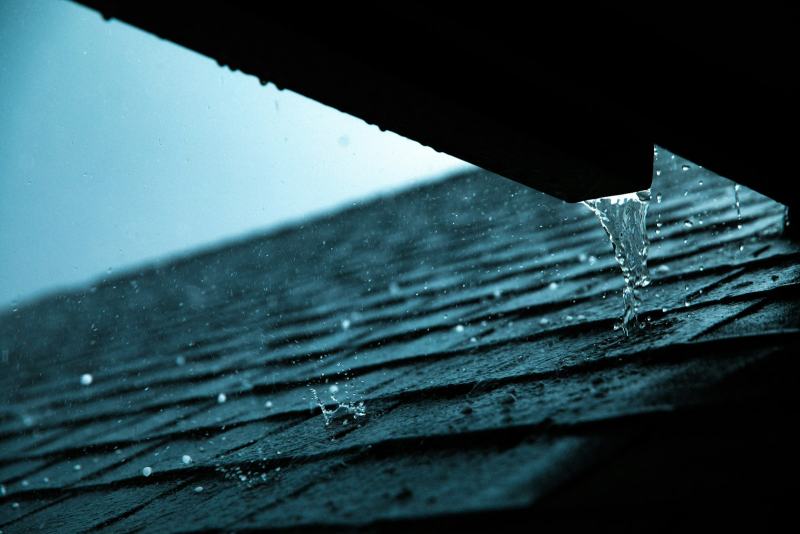
Water runs off a roof edge and clings to the underside by surface tension. It then flows back toward the fascia and the deck. Drip edge breaks that path and drops the water into the gutter.
It also blocks wind-driven rain and keeps insects and small animals out. A good drip edge protects the roof edge for the life of the roof.
The International Residential Code requires it on new roofs. Older homes were built before the rule, so many lack it.
Types of Drip Edge
Aluminum is the most common. It costs $0.50 to $2 per foot for the metal and does not rust. It comes in white, brown, and mill finish.
Galvanized steel is stronger and costs a bit more. It can rust at cut edges over time. Copper is a premium option at $5 to $10 per foot, used on high-end homes.
The profile matters. A Type C is used at the eaves, and a Type D at the rakes. A roofer picks the right one for each edge.
Retrofit vs. Reroof Install
A retrofit is a repair on a roof that is already in place. The roofer breaks the seal on the first shingles, slips the drip edge under, and nails it. The shingles are then re-sealed. It takes skill to avoid damage.
A reroof install is simpler. The edge is clean and the roofer lays the metal before the underlayment. If your roof is near its end of life, wait and add it with the reroof.
If your roof is under 10 years old, a retrofit is worth it to stop rot. Brittle old shingles can crack, so ask the roofer to check the shingle condition first.
Where the Money Goes
The metal is $0.50 to $3 per foot. Nails and sealant are $20 to $60 total. Labor is $1 to $4 per foot for a retrofit.
Fascia repair, if the wood is already rotted, adds cost. See our guide to replacing fascia and soffit. Gutter work may also be needed, so see installing gutters.
A permit is rarely needed for drip edge alone. It is part of the permit on a reroof.
DIY or Hire a Roofer?
A reroof add is a DIY job for a skilled homeowner. A retrofit is harder. You work at the roof edge, and a cracked shingle can cause a leak. A fall from a roof is a serious risk.
Hire a roofer for a retrofit. It is a small job that often costs a few hundred dollars. The safety and the quality are worth the price.
Plan Drip Edge With Other Work
Drip edge fits best with a reroof. See our guide to replacing a roof for the full picture. A new deck is also a time to fix any rotted decking.
While the roofer is on site, ask about the vent boots and any skylight flashing. These are common leak sources and are cheap to fix at the same time.
If a storm has damaged an edge, a temporary cover may be needed. See our guide to an emergency roof tarp.
How to Keep the Cost Down
Add it with a reroof if one is near. The extra cost is small. Get a quote that lists the footage and the metal type.
Check your edges first. Look for dark stains on the fascia or a gap behind the gutter. If you see rot, fix it before you add drip edge.
The International Code Council publishes the building code that sets the drip edge rule. Your local code office can tell you what applies in your area.
Signs Your Roof Needs Drip Edge
Look at the fascia under the gutter. Dark stains, peeling paint, or soft wood point to water getting behind the gutter. A roof with no metal edge lets water wick back.
Check the shingle edge. If the shingles curl down at the edge or hang over the fascia, water may be sheeting down the board. A metal edge would send it into the gutter.
Look in the attic near the eaves. Dark rings or damp wood near the edge can mean water is getting in at the edge. Drip edge is a cheap fix for that kind of leak.
How Roofers Install It
At the eaves, the metal goes under the underlayment. At the rakes, it goes over the underlayment. This lap pattern sends water the right way at each edge.
Pieces overlap by at least two inches, and nails go every 12 inches or so. A roofer should use corrosion-resistant nails. Joints must be tight so wind does not lift the metal.
In a retrofit, the roofer slides the metal under the first row of shingles. They seal the shingles back with roofing cement. A careful job leaves no visible damage.
Common Mistakes to Avoid
The wrong order is the most common mistake. If the metal goes on top of the underlayment at the eaves, water can run behind it. Make sure the roofer knows the correct lap.
Mixing metals is another trap. Steel next to aluminum can cause corrosion where they meet. Use the same metal as your gutters, or use isolation tape between them.
Skipping the rakes is a third. Many owners add drip edge only at the eaves. The rakes need it too, since wind can drive rain under the shingles at the sides.
Inspect It Each Year
Once drip edge is in, check it each spring. Look for bent or loose pieces, gaps at the joints, and rust spots. A loose edge can lift in a storm.
Keep the gutters clean too. A gutter packed with leaves backs water up under the metal. A clean gutter and a good edge work as a team.
Ask your roofer to photograph the work before the shingles are sealed back. Pictures of the metal at the eaves and the rakes show that the job was done and done right. They also help if you sell the house.
Bottom Line
Budget $300 to $1,200 to add drip edge to a roof, or $2 to $6 per linear foot. A reroof add costs the least. A retrofit costs more but can stop costly fascia rot.
If your roof has no drip edge and the fascia is damp, add it. It is one of the cheapest ways to protect your roof edge.
| Item | Low | High | Unit | Notes |
|---|---|---|---|---|
| Added during a reroof, per linear foot | $1 | $3 | per ft | |
| Retrofit on an existing roof, per linear foot | $2 | $6 | per ft | |
| Small home, about 150 ft of edge | $300 | $800 | total | |
| Large home, about 250 ft of edge | $600 | $1,500 | total | Retrofit with shingle lifting |
| Item | Low | High | Unit |
|---|---|---|---|
| Aluminum metal, per foot | $1 | $2 | per ft |
| Steel metal, per foot | $1 | $3 | per ft |
| Labor, retrofit, per foot | $1 | $4 | per ft |
| Nails and sealant | $20 | $60 | total |
Frequently asked questions
Is drip edge required?
Can drip edge be added to an existing roof?
What is the best material for drip edge?
How much does drip edge cost per foot?
Does drip edge prevent gutter problems?
Related cost guides
Emergency Roof Tarp Cost: What to Expect
What an emergency roof tarp costs, how long it lasts, what insurance covers, and how to avoid scams after a storm.
Cost to Replace Roof Decking: Price Ranges
What it costs to replace roof decking per sheet and per square foot, plywood versus OSB, and why rotted decking is a s...
Cost to Replace a Skylight: Price Ranges
What it costs to replace a skylight, fixed versus venting, why flashing matters, and when a leak means more than a new...
Cost to Replace a Roof Vent Boot
What it costs to replace a roof vent boot, why the rubber cracks first, and when to bundle the fix with other roof wor...