Cost to Replace a Skylight: Price Ranges
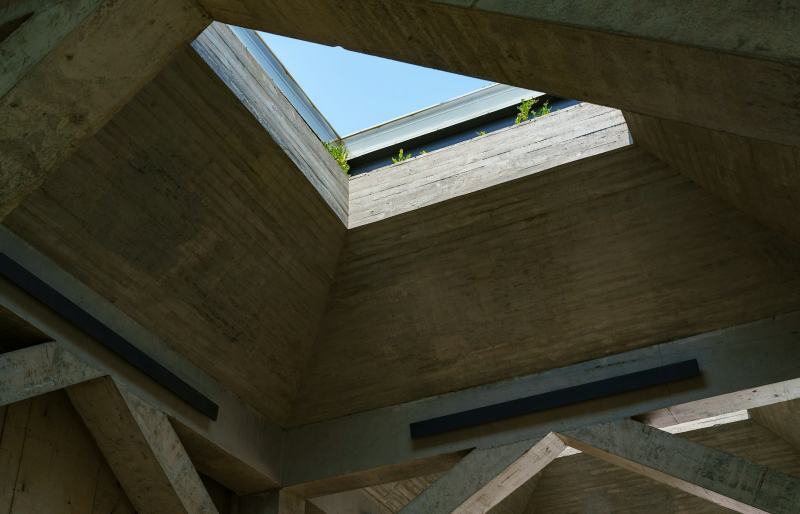
It costs $900 to $3,500 to replace a skylight. A same-size fixed unit costs $900 to $1,800 installed. A venting or solar-powered unit costs $1,500 to $3,500. A change in size, which needs new framing, adds $500 to $1,500. The unit is only a part of the cost. The flashing and labor are the rest.
Skylights bring in daylight, but they are also a top source of roof leaks. Most leaks come from a bad seal or old flashing, not the glass. This guide covers what a replacement costs, the options, and how to tell if you need a new skylight or just a flashing repair.
What It Costs to Replace a Skylight
Most homeowners pay $1,200 to $2,500. The roofer removes the old unit, checks the curb and the deck, installs the new skylight, and flashes it. The work takes four to eight hours.
A same-size swap is the cheapest. A larger skylight needs new framing and a bigger opening. That adds time and may need a structural check.
The table below shows typical ranges. The sections after it explain how to choose between types.
Fixed vs. Venting vs. Solar Skylights
A fixed skylight does not open. It is the cheapest and the least likely to leak. It costs $200 to $800 for the unit.
A venting skylight opens by hand or by motor. It lets in air and heat out. It costs $500 to $1,500 for the unit. A solar-powered venting unit costs more, at $1,000 to $2,500, and has a rain sensor.
Look at the glass too. Low-E coatings cut heat gain and fading. Laminated or tempered glass is safer. Triple glazing costs more and suits cold climates.
Do You Need a New Skylight or Just New Flashing?
Most skylight leaks come from failed flashing or sealant. A roofer can often fix those for $300 to $800. The glass and the frame are fine.
Replace the unit if the glass is cracked, the seal is fogged, or the frame is rotted. Also replace it if it is 20 or more years old. Old units are drafty and inefficient.
Check the deck around it. Water that has run for a while may have rotted the wood. See our guide to replacing roof decking for that cost.
Where the Money Goes
The skylight is $200 to $2,500. A flashing kit is $50 to $250. Labor is $500 to $1,500 for a same-size swap.
Interior finishing, such as drywall around the light shaft, adds $200 to $800. A new light shaft, if you change the size, adds $500 to $1,500. A permit is $50 to $250.
Tinting, blinds, or a remote control cost more. A manual shade is $60 to $200. A powered shade is $300 to $700.
Why Flashing Matters
Flashing is the metal and sealant that keeps water out at the edges. A good skylight flashing kit overlaps the shingles on all four sides. Poor flashing is the top cause of leaks.
Ask the roofer to use the maker kit for your skylight model. Do not accept caulk as the main seal. Caulk dries and cracks in a few years.
The best time to flash is during a reroof. See our guide to replacing a roof for how the two jobs fit together.
DIY or Hire a Roofer?
Most skylight work is not a good DIY job. You need to cut into the roof, work at height, and flash the opening perfectly. A small error can cause a leak for years.
Hire a licensed roofer with skylight experience. Ask whether the work comes with a labor warranty. Many skylight makers also require certified install to honor the product warranty.
Related Roof Work to Consider
A skylight is a good time to look at nearby items. Check any roof vent boots for cracks. Add drip edge if the eaves lack it.
A leaking roof can wait only so long. If water is coming in now, see our guide to an emergency roof tarp for a short-term fix.
Good airflow in the attic also keeps the skylight area dry. See our guide to attic ventilation.
How to Keep the Cost Down
Match the existing size and curb. It keeps framing work to a minimum. Choose a fixed unit if you do not need ventilation.
Do the work with a reroof if one is coming. A roofer who is already on site charges less for the skylight, and the flashing is done right.
The ENERGY STAR skylight guide lists efficient models. A good unit can cut your energy bill and may qualify for a tax credit.
What Happens on Install Day
The roofer starts inside, by protecting the floor and furniture. Outside, they remove the shingles around the old unit and cut away the old flashing. The old skylight is lifted out.
Next they check the curb and the deck for rot. Bad wood is replaced. The new unit is set on the curb, fastened, and sealed with a flashing kit that overlaps the shingles on all four sides.
Back inside, a carpenter or the roofer trims the light shaft and the opening. The final step is a water test with a hose. The crew checks for leaks before they leave.
Choosing Glass and Features
Low-E glass reflects heat and blocks most ultraviolet light. It cuts fading of floors and furniture. A good unit has a U-factor of 0.30 or lower and a low solar heat gain number.
Laminated glass holds together if it breaks. Tempered glass breaks into small pieces. Most codes require one of them in a skylight. Laminated is safer and blocks more noise.
Consider a built-in shade or blind. A blackout shade helps in a bedroom. A solar-powered shade can lower the cost of cooling in a sunny room.
Signs of a Failing Skylight
Fog or moisture between the panes means the seal has failed. It will not clear on its own. The unit loses its insulating value and should be replaced.
Water stains on the ceiling around the shaft are a sign of a leak. Check for a drip after rain. A stain that grows, or one that smells musty, needs a roofer right away.
A cracked frame, a rusty curb, or a loose lens are also signs. A skylight is a part of the roof, and a failure can let in a lot of water in a short time.
Cleaning and Care
Clean the glass twice a year with a soft cloth and a mild cleaner. Check the seals and the flashing after each big storm. Keep tree limbs and debris off the glass.
A quick look each spring can catch a small problem before it turns into a leak. Look for cracked sealant, loose flashing, and stains around the shaft.
If the skylight vents, oil the hinges and wipe the gasket. A little care keeps it working for years.
Ask about the warranty on both the unit and the install. Many makers cover the glass for 10 years or more, and a good roofer covers the flashing work for at least two. Keep both papers with your home records, since a buyer will ask for them later.
Bottom Line
Budget $900 to $1,800 for a same-size fixed skylight and $1,500 to $3,500 for a venting unit or a size change. Fix the flashing first if the glass is fine.
Do not let a leaking skylight sit. Water damage under the roof can cost far more than the unit.
| Item | Low | High | Unit | Notes |
|---|---|---|---|---|
| Fixed skylight, same size | $900 | $1,800 | total | |
| Venting skylight, same size | $1,500 | $2,800 | total | |
| Solar-powered venting skylight | $2,000 | $3,500 | total | |
| Larger opening with new framing | $1,800 | $3,500 | total | Includes framing and interior finish |
| Item | Low | High | Unit |
|---|---|---|---|
| Skylight unit | $200 | $2,500 | total |
| Flashing kit | $50 | $250 | total |
| Labor | $500 | $1,500 | total |
| Interior drywall and finish | $200 | $800 | total |
| Permit | $50 | $250 | total |
Frequently asked questions
How long does a skylight last?
Why is my skylight leaking?
Can I replace a skylight myself?
How long does a skylight replacement take?
Does a new skylight need a permit?
Related cost guides
Emergency Roof Tarp Cost: What to Expect
What an emergency roof tarp costs, how long it lasts, what insurance covers, and how to avoid scams after a storm.
Cost to Replace Roof Decking: Price Ranges
What it costs to replace roof decking per sheet and per square foot, plywood versus OSB, and why rotted decking is a s...
Cost to Add Drip Edge to a Roof
What it costs to add drip edge to an existing roof, why it prevents fascia rot, and the difference between a reroof ad...
Cost to Replace a Roof Vent Boot
What it costs to replace a roof vent boot, why the rubber cracks first, and when to bundle the fix with other roof wor...