Emergency Roof Tarp Cost: What to Expect
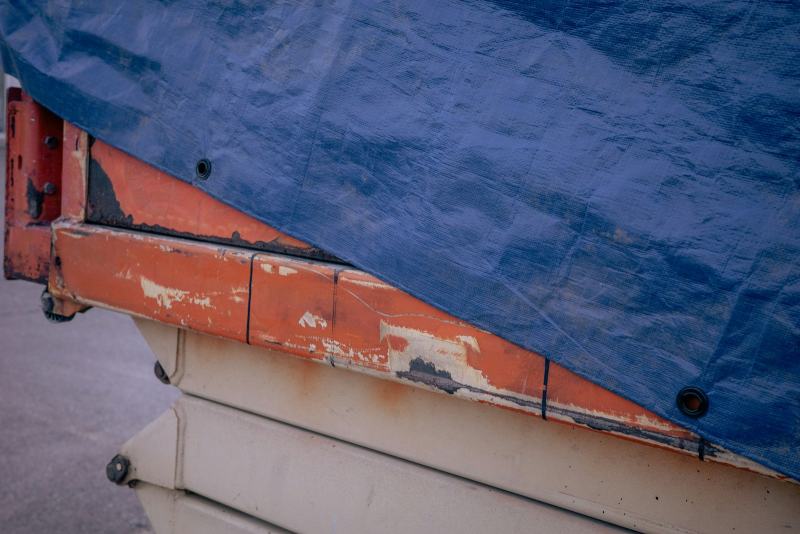
An emergency roof tarp costs $250 to $1,500 for most homes, or $2 to $5 per square foot. A small area over a leak runs $250 to $600. A large area after a tree fall or a hail storm runs $800 to $1,500 or more. A tarp is a short-term fix. It keeps water out until a roofer can do the real repair.
When a storm rips off shingles or a branch pokes a hole in the roof, water gets in fast. A tarp buys you time. It is cheap next to the damage that water can do inside. This guide explains what a tarp costs, how long it lasts, what insurance may pay for, and how to avoid the scams that follow a storm.
What an Emergency Roof Tarp Costs
Most homeowners pay $400 to $1,000. That covers a heavy-duty tarp, wood strips to hold it, fasteners, and the labor to place it safely. The work takes one to three hours for a small area.
A large or steep roof costs more. So does a night or weekend call. Emergency crews often charge a premium of 25 to 50 percent.
The table below shows typical ranges. The sections after it explain the factors that move the price.
What Changes the Price
Size is the biggest factor. A tarp that covers 100 square feet costs far less than one that covers a whole slope. Roof pitch also counts. A steep roof needs more safety gear and time.
The tarp type matters. A standard poly tarp is $50 to $150 for the material. A heavy-duty fire-rated tarp is more. A roofer will use wood battens to hold it down. Nails through the tarp alone will fail.
Timing counts too. After a big storm, roofers are in high demand. Prices go up, and waits grow. Call as soon as it is safe.
How Long Does a Tarp Last?
A well-installed tarp lasts 30 to 90 days. A cheap or poorly fastened tarp can fail in a week of wind. Sun breaks down a thin tarp, and wind can lift the edges.
Do not leave a tarp up longer than needed. Trapped moisture can rot the deck under it. Plan the real repair quickly.
Check the tarp after every storm. A loose edge can let in water and leave you with a new leak.
Does Insurance Cover a Tarp?
Most homeowners policies cover reasonable costs to prevent more damage. That includes a tarp after a covered event, such as wind, hail, or a fallen tree. Keep your receipts and take photos.
Insurance does not cover damage from neglect. A tarp on a roof that has simply worn out is not a covered cost. Read your policy and call your agent soon after the damage.
Your deductible may be higher than the tarp cost. A $600 tarp under a $1,000 deductible is yours to pay, but save the receipt. It may count toward a larger claim.
Where the Money Goes
The tarp is $50 to $200. Wood battens and fasteners are $30 to $80. Labor is $150 to $800.
Debris removal adds $100 to $400 if a tree or branches are on the roof. Emergency or after-hours service adds 25 to 50 percent. A tree removal is a separate job.
Some roofers credit the tarp cost toward the repair if you hire them for the job. Ask before you agree.
DIY or Hire a Roofer?
A roof in bad weather is dangerous. A wet roof and a fall can be deadly. Do not climb on a damaged roof. A pro has the gear and training to do it safely.
If you must act, cover the leak from inside. Move items, place buckets, and cut a small hole in a bulging ceiling to drain the water. Then call a roofer.
What Comes After the Tarp
A tarp is the first step. The next is a real repair. A small leak may need new flashing, so see our guides to repairing a roof leak and replacing roof flashing.
Storm damage often reaches the deck. See our guide to replacing roof decking. A badly damaged roof may need a full replacement.
A broken skylight or a ripped drip edge is also common after a storm. See our guides to skylight replacement and adding drip edge.
How to Avoid Storm Scams
After a big storm, out-of-town crews knock on doors. Some are honest. Many are not. Never pay in full up front. Never sign a contract on the spot.
Check the license and insurance. Ask for local references. Get the price in writing. A fair contractor does not pressure you to sign.
The FTC disaster recovery guidance has tips on spotting fraud after a storm. It is worth a read before you hire anyone.
What to Do Before the Roofer Arrives
Stay safe first. Do not go on the roof, and stay away from sagging ceilings and downed power lines. If a ceiling is bulging with water, poke a small hole to let it drain into a bucket.
Move furniture, rugs, and electronics away from the leak. Cover large items with plastic. Turn off power to any room with water coming through the ceiling or light fixtures.
Take photos and video of the damage, inside and out. Note the date and time. This record helps with your insurance claim and with the roofer who plans the repair.
What a Good Tarp Job Looks Like
A good tarp runs from above the damage, over the ridge if possible, down past it. It is secured with wood strips, nailed into the rafters, with the tarp folded over the strip. This keeps the wind from lifting it.
The edges are tight and the tarp lies flat, so water runs off. Loose tarp can flap and tear. A roofer should avoid nailing through the tarp alone, because the holes become leaks.
A good roofer also puts the tarp over the roof, not under it. Water should flow over the top. A tarp that traps water on the roof is a problem.
Working With Your Insurance Company
Call your insurer as soon as it is safe. Ask what steps they require. Most policies require that you protect the home from more damage and keep the receipts.
An adjuster will visit and write up the damage. Keep the tarp in place until they see it. Ask the adjuster whether the tarp cost will be paid up front or later.
Get more than one repair quote. The insurer may send a list of preferred roofers. You are free to choose your own. Compare the scope and price of each.
Plan the Permanent Repair
Do not let the tarp become the plan. Get at least two repair quotes within a week. Ask each roofer how soon they can start, and what the tarp removal will cost.
A roofer who also placed the tarp can often fold its cost into the repair. Ask before you sign.
Keep every receipt and photo in one folder. Write down the names of the crew, the date, and the work done. If a claim is questioned later, a clear record settles it fast.
Bottom Line
Budget $400 to $1,000 for an emergency roof tarp and up to $1,500 for a large area. Call a licensed roofer, keep your receipts, and tell your insurer right away.
A tarp is not a repair. Plan the real fix within a few weeks, before water causes lasting damage.
| Item | Low | High | Unit | Notes |
|---|---|---|---|---|
| Small area, up to 100 sq ft | $250 | $600 | total | |
| Medium area, 100 to 300 sq ft | $500 | $1,000 | total | |
| Large area or full slope | $800 | $1,500 | total | |
| After-hours or emergency premium | $100 | $500 | total | Adds 25 to 50 percent |
| Item | Low | High | Unit |
|---|---|---|---|
| Heavy-duty tarp | $50 | $200 | total |
| Wood battens and fasteners | $30 | $80 | total |
| Labor | $150 | $800 | total |
| Debris removal | $100 | $400 | total |
Frequently asked questions
How much does it cost to tarp a roof?
How long can a roof stay tarped?
Will insurance pay for a roof tarp?
Can I tarp my roof myself?
How do I choose a roofer after a storm?
Related cost guides

Cost to Replace Roof Decking: Price Ranges
What it costs to replace roof decking per sheet and per square foot, plywood versus OSB, and why rotted decking is a s...

Cost to Replace a Skylight: Price Ranges
What it costs to replace a skylight, fixed versus venting, why flashing matters, and when a leak means more than a new...
Cost to Add Drip Edge to a Roof
What it costs to add drip edge to an existing roof, why it prevents fascia rot, and the difference between a reroof ad...
Cost to Replace a Roof Vent Boot
What it costs to replace a roof vent boot, why the rubber cracks first, and when to bundle the fix with other roof wor...