Cost to Replace an AC Evaporator Coil
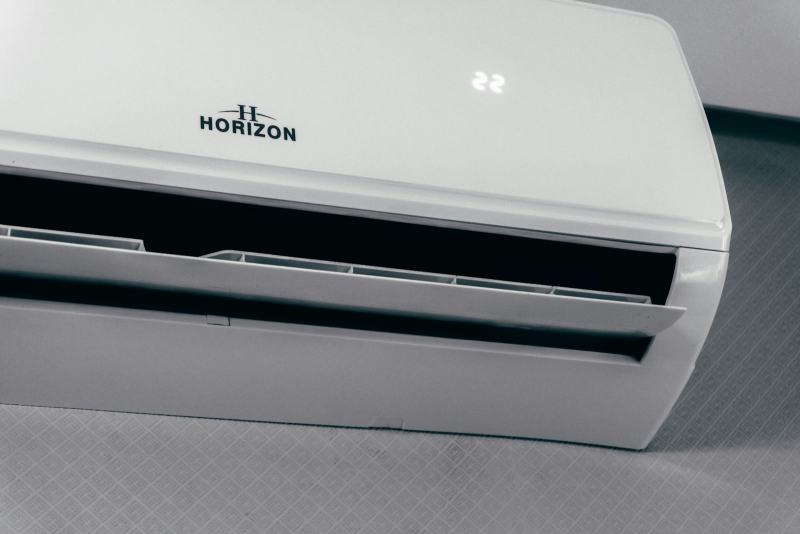
It costs $1,000 to $2,800 to replace an AC evaporator coil. Most homeowners pay $1,400 to $2,200. The coil is $400 to $1,200. The rest is refrigerant, labor, and a new drain line if needed. This is one of the pricier AC repairs, and it is often the one that makes people ask about a new system.
The evaporator coil sits in the plenum above the furnace or inside the air handler. It pulls heat out of your indoor air. Over the years it can corrode and leak refrigerant. This guide explains the signs, the cost, and how to decide between a new coil and a new system.
What It Costs to Replace an AC Evaporator Coil
A typical job costs $1,400 to $2,200. The tech recovers the refrigerant, removes the old coil, sets the new one, brazes the lines, pulls a vacuum, and recharges the system. The work takes four to six hours.
A coil in a tight attic or a closet costs more. So does a high-efficiency or variable-speed coil. Expect $2,000 to $2,800 for those.
The table below shows typical ranges. The sections after it explain the signs and the choices.
Signs of a Bad Evaporator Coil
The most common sign is low cooling with a system that runs a lot. Ice on the indoor coil or the copper line is another. A hissing sound or a sweet smell can mean a refrigerant leak.
Refrigerant that keeps running low is the best clue. A tech can add refrigerant, but a leak will return. If you have paid for two recharges in two years, the coil is likely the culprit.
Do not run the system with a leak. It can overheat the compressor. The compressor is the most expensive part of the outdoor unit. Our guide to an AC condenser replacement shows what a failure there costs.
Repair, Replace the Coil, or Replace the System?
A small leak in an accessible spot can sometimes be sealed for $300 to $600. In a copper coil that has pinholes from corrosion, a patch rarely lasts.
A new coil makes sense when the rest of the system is under 8 to 10 years old. It costs far less than a new system and can add many years of life.
Past 12 years, a full system is a better value. A new coil in an old system leaves you with an aging condenser and air handler. See our guide to replacing a central AC unit for the full price.
Match and Refrigerant
The new coil must match the outdoor unit. A mismatch cuts efficiency and may void the warranty. A good tech checks the model numbers and the refrigerant type before ordering.
If your system uses R-22 refrigerant, a new coil is rarely a good idea. R-22 is no longer made and is very costly. Most owners choose a full R-410A or newer system instead.
Ask for the warranty terms. Many coils carry a 5 to 10 year parts warranty. Labor is often not covered, so ask about that too.
Where the Money Goes
The coil is $400 to $1,200. Refrigerant is $100 to $400, depending on the type. Labor is $500 to $1,200.
A new drain pan or line adds $50 to $200. A new line set, if the old one is damaged, adds $200 to $600. A permit, if required, is $50 to $200.
Cleaning the plenum and the drain line is worth doing at the same time. It prevents mold and clogs. A related repair is a failed condensate pump, which causes overflow.
DIY or Hire an HVAC Pro?
This is a pro-only job. Recovering and recharging refrigerant requires EPA 608 certification. Brazing the lines needs training and equipment.
Hire a licensed HVAC contractor. Ask for a written quote with the coil model, the refrigerant, and the warranty. Check that the contractor pulls a vacuum before charging.
Related Repairs and Upgrades
While the coil is out, it is cheap to improve airflow. A weak return can strain the system, and a new return air duct may help. Dirty ducts hurt performance, so see our guide to cleaning air ducts.
If the furnace is also old, a swap can happen in the same visit. Our gas furnace installation guide shows the cost. A matched furnace and coil work together better than a mixed pair.
A failing fan motor is a common companion problem. See our guide to a furnace blower motor.
How to Keep the Cost Down
Get a second opinion before you agree. A leak test with a nitrogen pressure check can confirm where the leak is. A tech who finds the leak in a fitting, not the coil, saves you a lot.
Change the filter every one to three months. A dirty filter freezes the coil and shortens its life. Clean the drain line once a year.
The Department of Energy AC maintenance guide lists the basic upkeep that keeps a coil healthy. A yearly tune-up is cheap next to a new coil.
How Technicians Find a Coil Leak
A tech may start with an electronic leak detector, which sniffs for refrigerant. Some use dye that glows under a UV light. Others use a nitrogen pressure test, which finds the leak without adding refrigerant.
The leak may be in the coil, a fitting, or the line set. Many leaks that look like a bad coil turn out to be a loose flare fitting. That repair costs far less than a new coil.
Ask the tech to show you the evidence. A good pro will point to the spot, or show the gauge reading. You should not pay for a coil on a guess.
Coil Types and Materials
Copper coils are the standard, and they last a long time. Aluminum coils cost less and resist the corrosion that attacks copper in some homes. Both can leak after years of use.
A-coils sit on top of a furnace and look like the letter A. Slab coils are flat and used in tight spaces. Cased coils come in a metal box and make for an easier install.
Ask for a coil with a good warranty. Some makers offer a lifetime warranty on parts for the original owner. That can be worth a higher price.
Protect the New Coil
Use a good air filter and change it on schedule. A clogged filter lets dust coat the coil and cut cooling. A MERV 8 to MERV 11 filter is a good balance for most systems.
Keep the drain line clear. A clogged line lets water back up and can cause rust and mold. Pour a cup of vinegar down the line each spring.
Avoid harsh household chemicals near the air handler. Cleaners, sprays, and solvents can corrode a coil from the outside in. A tune-up each year helps spot trouble early.
Timing the Repair
Do not wait for the coil to leak out. A system that runs low on refrigerant for long can ruin the compressor. If your AC is losing cooling, call a tech early.
Spring is the best time. Techs have more time, and you avoid the summer rush and the higher prices that come with it.
Bottom Line
Budget $1,400 to $2,200 for a standard evaporator coil replacement and up to $2,800 for a hard-to-reach or premium coil. Replace the coil only if the rest of the system is fairly young.
If your system is old and uses R-22, compare the quote with a new system. A big repair on an old unit often costs more than it is worth.
| Item | Low | High | Unit | Notes |
|---|---|---|---|---|
| Standard A-coil, easy access | $1,000 | $1,800 | total | |
| Standard coil, attic or tight closet | $1,400 | $2,200 | total | |
| High-efficiency or variable-speed coil | $1,800 | $2,800 | total | |
| Small leak repair, if accessible | $300 | $600 | total | Often does not last on corroded coils |
| Item | Low | High | Unit |
|---|---|---|---|
| Evaporator coil | $400 | $1,200 | total |
| Refrigerant | $100 | $400 | total |
| Labor | $500 | $1,200 | total |
| Drain pan or line | $50 | $200 | total |
| Line set, if replaced | $200 | $600 | total |
Frequently asked questions
How long does an evaporator coil last?
What causes an evaporator coil to leak?
Can an evaporator coil be repaired?
How long does it take to replace an evaporator coil?
Should I replace the coil or the whole system?
Related cost guides
Cost to Replace an AC Condenser
What it costs to replace an AC condenser, when a condenser-only swap makes sense, and why a mismatched coil can ruin t...
Cost to Add a Return Air Duct: Price Ranges
What it costs to add a return air duct, why a stuffy room often needs one, and how it differs from adding a supply ven...

Cost to Replace a Condensate Pump
What it costs to replace a condensate pump, how to spot a failing one, and the cheap fixes to try before you buy a new...
Cost to Replace a Furnace Igniter
What it costs to replace a furnace igniter, the symptoms that point to a bad one, and why this cheap part usually mean...