Cost to Add a Return Air Duct: Price Ranges
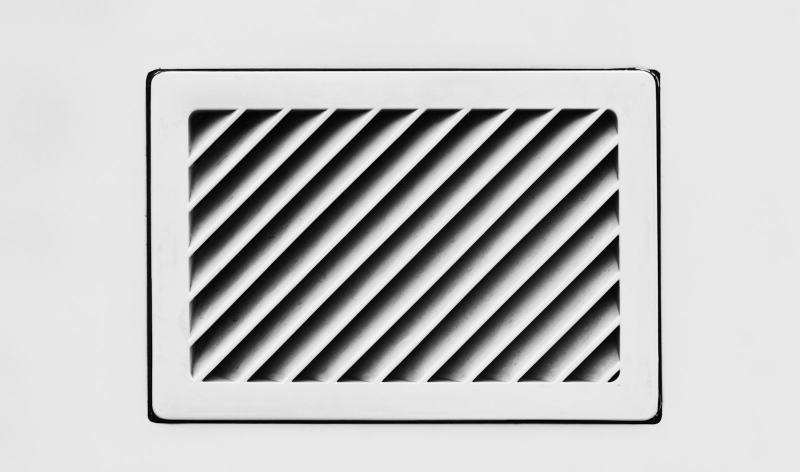
It costs $300 to $1,800 to add a return air duct. A simple grille cut into a wall near the air handler costs $300 to $700. A long run through a ceiling to a distant bedroom costs $900 to $1,800. The parts are cheap. The cost is the labor to cut, route, and seal the new duct.
A return duct pulls air from a room back to the furnace or air handler. Without one, a closed bedroom door can trap air and make the room hot, cold, or stuffy. This guide explains when a return is the fix, what it costs, and the other options.
What It Costs to Add a Return Air Duct
Most homeowners pay $500 to $1,200. The tech cuts a hole for the grille, runs flexible or sheet-metal duct to the return trunk, seals the joints, and tests the airflow. The work takes two to six hours.
A return right next to the trunk is the cheapest job. A return in a far room, or one on a second floor, is more work. Expect $900 to $1,800 for those.
The table below shows typical ranges. The sections after it explain how to tell if you need one.
Why a Room Needs a Return
Your system moves a set amount of air. Supply vents push air in, and returns pull it out. If a room has a supply vent and no return, the air has nowhere to go when the door is shut.
The room builds up pressure. That blocks airflow, and the room feels warmer in summer and colder in winter. You may also hear a whistle at the door gap.
Bedrooms with the door closed at night are the classic case. A return, or a jump duct or transfer grille, fixes it.
Return Duct vs. Transfer Grille vs. Jump Duct
A full return duct is the best fix. It carries air straight back to the system. It costs the most and offers the best balance.
A transfer grille is a vent cut through the wall or the door. It lets air flow to the hall, where a return picks it up. It costs $100 to $300 and works for small rooms.
A jump duct runs through the attic from the room to the hall. It costs $200 to $500 and is quieter than a door grille. It is a good middle option.
Signs You Need a Return Duct
A room that is always hotter or colder than the rest of the house is the clearest sign. A door that sucks shut or blows open is another. High pressure also shows as dust lines around the door.
You may also see higher energy bills and a system that runs long cycles. Poor airflow strains the blower. A related issue is a worn motor, so see our guide to a furnace blower motor.
A tech can measure the pressure difference with the door closed. A reading above 3 pascals means the room needs a return path.
Where the Money Goes
The grille and the boot are $20 to $80. Flexible duct and fittings are $50 to $250. Labor is $200 to $1,000, depending on distance and access.
Sealing the duct with mastic is a must. It adds $20 to $60. Insulating the duct in an attic adds $50 to $150. Patching drywall adds $75 to $250.
A permit is not often needed for a duct add-on. Some areas require it. Check with your building department.
DIY or Hire an HVAC Pro?
A handy DIYer can add a transfer grille. A full return duct is harder. It must tie into the return trunk, be sized correctly, and be sealed to avoid leaks.
Hire a pro for a full return. A duct that is too small makes noise and does not help. A pro will also check that the system can handle the extra return airflow.
Fix Airflow Problems Together
A new return is part of a bigger airflow picture. Dirty or leaky ducts waste air, so see our guide to cleaning air ducts. A new system also needs the right ducts. See our heat pump guide.
If your AC is struggling, the cause may be a coil problem. See our guide to an evaporator coil replacement. A weak outdoor unit may need a new condenser.
If you remodel, plan the return early. It is far cheaper to add one while walls are open than after the paint is dry.
How to Keep the Cost Down
Try a transfer grille or a jump duct first. For a small bedroom, they often fix the problem for a third of the price of a full return.
Get two quotes. Ask each tech to measure the pressure before and after. A pro who tests the result is a pro who stands behind the work.
The Department of Energy duct guide explains how leaky ducts waste energy. Sealing your ducts can save more than adding a return.
How a Tech Plans a New Return
The tech measures the airflow at the system and in the room. They check the size of the existing return and the fan speed. A return that is too small starves the system, and one that is too big wastes money.
Next they pick the route. The best route is short and straight, with few bends. An attic or basement run is much easier than a run through finished walls.
The tech sizes the duct by the airflow it must carry. A bedroom often needs a duct of 8 to 10 inches round. They choose the grille to match, so air moves quietly.
Noise and Comfort Tips
A return that is too small can whistle. A good design keeps air speed low, which keeps the noise down. Large, slow grilles are quieter than small, fast ones.
Place the return high or low, based on the season. In a hot climate, a high return pulls hot air from the ceiling. In a cold climate, a low return pulls cold air from the floor.
Add a filter grille if you want to trap dust at each return. It costs more, but it keeps the system cleaner. It also makes it easy to change the filter without a ladder.
Other Ways to Balance Airflow
A tech can adjust the dampers on your supply ducts. Closing a damper on a room that is too cold may send more air to a room that is too hot. This is a free fix that often helps.
A larger or variable-speed blower can also help. It moves more air at a lower speed, which is quieter. It costs more, but it improves comfort throughout the house.
Sealing leaky ducts is another fix. A leaky duct loses air in the attic or crawlspace. Mastic and foil tape seal the joints and bring more air to the rooms.
Test the Result
After the work, test the room. Close the door and wait ten minutes. The room should feel the same as the rest of the house, and the door should not whistle or pull shut.
A tech can also measure the pressure again. A reading near zero means the new return is doing its job.
Bottom Line
Budget $500 to $1,200 for a typical return air duct and up to $1,800 for a long run. Try a transfer grille first if the room is small.
A stuffy bedroom is not something you have to live with. A good return makes the whole house more comfortable and helps your system last.
| Item | Low | High | Unit | Notes |
|---|---|---|---|---|
| Transfer grille through a wall | $100 | $300 | total | |
| Jump duct through the attic | $200 | $500 | total | |
| Return duct, short run near the trunk | $300 | $700 | total | |
| Return duct, long run to a distant room | $900 | $1,800 | total | Includes duct, sealing, and patching |
| Item | Low | High | Unit |
|---|---|---|---|
| Grille and boot | $20 | $80 | total |
| Duct and fittings | $50 | $250 | total |
| Labor | $200 | $1,000 | total |
| Sealing and insulation | $70 | $210 | total |
| Drywall patch | $75 | $250 | total |
Frequently asked questions
What does a return air duct do?
Can I add a return air duct myself?
How do I know if a room needs a return?
Is a transfer grille as good as a return duct?
Will a new return lower my energy bill?
Related cost guides
Cost to Replace an AC Condenser
What it costs to replace an AC condenser, when a condenser-only swap makes sense, and why a mismatched coil can ruin t...
Cost to Replace an AC Evaporator Coil
What it costs to replace an AC evaporator coil, how leaks show up, and when a new coil is worth the money.
Cost to Replace a Condensate Pump
What it costs to replace a condensate pump, how to spot a failing one, and the cheap fixes to try before you buy a new...
Cost to Replace a Furnace Igniter
What it costs to replace a furnace igniter, the symptoms that point to a bad one, and why this cheap part usually mean...