Cost to Replace an AC Condenser
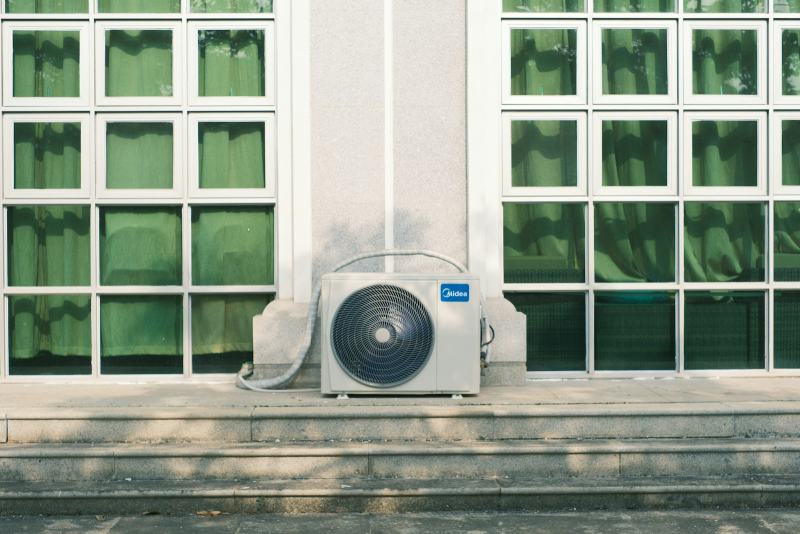
It costs $1,800 to $4,500 to replace an AC condenser, the outdoor half of a split system. A basic 2 to 3 ton unit with a standard seer rating costs $1,800 to $3,200. A high-efficiency or 4 to 5 ton unit costs $3,000 to $4,500. The price includes the unit, refrigerant, and labor.
The condenser holds the compressor, the fan, and the outdoor coil. When the compressor dies on an older system, many owners ask if they can replace only the outdoor unit. Sometimes you can. Often you should not. This guide explains the cost, the match rule, and when a full system is the smarter spend.
What It Costs to Replace an AC Condenser
Most homeowners pay $2,200 to $3,800. That covers the new condenser, a new pad if needed, a refrigerant charge, and a day of labor. The work takes four to eight hours.
Size is the main price driver. A 2-ton unit cools about 1,000 square feet. A 5-ton unit cools about 2,500. Bigger units cost more to buy and move.
The table below shows typical ranges. The sections after it explain the match rule and the factors that move the price.
The Match Rule That Matters
A condenser must be matched to the indoor coil and the air handler or furnace. A mismatch cuts efficiency and can shorten the life of the compressor. Many manufacturers void the warranty on a mismatch.
Refrigerant is part of the match. Systems made before 2010 often use R-22, which is no longer made. New units use R-410A or newer refrigerants. They are not interchangeable.
If the indoor coil is older than the outdoor unit, a new condenser may not match it. Most techs will advise you to replace the coil too. See our guide to an evaporator coil replacement for that cost.
When a Condenser-Only Swap Makes Sense
It works when the system is under about 10 years old, the indoor coil is in good shape, and the refrigerant type matches. In that case, a new matched condenser can be a fair repair.
It makes less sense when the system is 12 years or older. The air handler, the coil, and the lines are close to the end of their life too. Spend $2,500 on the outdoor unit now and you may face another big bill in two years.
Compare the quote to a full system. Our guide to replacing a central AC unit shows the price of a complete swap. If the condenser quote is more than half of that, the full system is usually better value.
Signs You May Need a New Condenser
A compressor that will not start, even with a new capacitor, is the most common reason. Loud grinding, a fan that will not spin, or a unit that trips the breaker are others.
A refrigerant leak in the outdoor coil is the other big cause. A tech can find it with a leak detector. A small leak in an old coil is often not worth fixing.
Check the cheap fixes first. A bad AC capacitor costs a fraction of a condenser and causes many of the same symptoms. Get a diagnosis before you commit.
Where the Money Goes
The condenser unit is $1,000 to $3,000. Refrigerant and supplies are $150 to $500. Labor is $600 to $1,500.
A new concrete or composite pad adds $100 to $300. A new disconnect box and whip add $75 to $250. Removing and recycling the old unit is $50 to $200 and is required by law for the refrigerant.
A permit is usually needed, at $50 to $300. The tech must hold an EPA 608 certification to handle the refrigerant.
Efficiency and Rebates
The SEER2 rating shows how efficient a unit is. A higher number means a lower power bill. Most new units run 14 to 20 SEER2. A top-tier unit costs more but saves money over time in hot regions.
Rebates can cut the price. The federal tax credit for efficient heat pumps and AC units has changed, so check the current rules. Many utilities also offer rebates of $100 to $800.
If you are weighing a heat pump instead, see our heat pump installation guide. A heat pump condenser does both cooling and heating, and rebates are often larger.
DIY or Hire an HVAC Pro?
This is not a DIY job. Handling refrigerant requires EPA certification, and a bad charge ruins the compressor. The electrical work is also high voltage.
Hire a licensed, insured HVAC contractor. Ask for a written quote that lists the model, the SEER2, the warranty, and the match to your indoor coil.
How to Keep the Cost Down
Get three quotes. Ask each to match the same size and efficiency. A cheap quote that skips the pad, the disconnect, or the permit often grows later.
Replace in the off season. Contractors are busier and prices are higher in a heat wave. A spring or fall install can save several hundred dollars.
The Department of Energy central air guide explains sizing and efficiency. A unit that is too big short-cycles and wastes money.
What Happens on Install Day
The crew starts by shutting off the power and recovering the old refrigerant. Law requires that it be captured, not vented. Then they disconnect the lines and the wiring and haul away the old unit.
The new condenser goes on a level pad. The crew reconnects the line set, wiring, and disconnect. They pull a vacuum on the lines to remove air and moisture, then release the refrigerant charge.
The last step is a performance test. The tech checks pressures, temperatures, and amp draw. They confirm that the system cools correctly and that the fan and the compressor run smoothly.
Sizing Mistakes to Avoid
A unit that is too big cools the house fast but shuts off too soon. That is called short cycling. It leaves the air damp and clammy and wears out parts early.
A unit that is too small runs all day and never reaches the set point. A proper load calculation, called a Manual J, sets the right size. Ask your contractor to do one.
Do not size by the old unit alone. The house may have new windows, more insulation, or an addition. Each of these changes the load.
Warranty and Maintenance
Most condensers come with a 10-year parts warranty if you register the unit. Labor is often covered for only one year. Ask about a labor extension, which may cost $200 to $600.
Keep the unit clean. Hose off the coil once a spring, and trim plants to keep two feet of clearance. Change the indoor filter every one to three months.
Schedule a tune-up each year. A tech checks the charge, the electrical parts, and the coil. Many warranties require proof of yearly service.
Timing the Replacement
The best time to replace is before the unit fails. A planned swap in spring costs less and gives you time to compare quotes. An emergency swap in a heat wave limits your choices.
Watch for early signs, such as rising bills, odd noises, and longer run times. These often show up a year or two before a full failure. Uneven rooms may also call for a return air duct to even out the airflow. Water near the indoor unit is another early sign, often a failing condensate pump.
Bottom Line
Budget $1,800 to $3,200 for a standard condenser swap and up to $4,500 for a larger or higher-efficiency unit. Make sure it matches the indoor coil.
If the system is more than 12 years old, get a full-system quote before you decide. A condenser-only repair is a gamble on an aging system.
| Item | Low | High | Unit | Notes |
|---|---|---|---|---|
| 2 to 2.5 ton, standard efficiency | $1,800 | $3,000 | total | |
| 3 to 3.5 ton, standard efficiency | $2,200 | $3,500 | total | |
| 4 to 5 ton, standard efficiency | $3,000 | $4,500 | total | |
| High-efficiency unit, any size | $3,000 | $4,500 | total | Variable-speed or two-stage compressor |
| Item | Low | High | Unit |
|---|---|---|---|
| Condenser unit | $1,000 | $3,000 | total |
| Refrigerant and supplies | $150 | $500 | total |
| Labor | $600 | $1,500 | total |
| Pad, disconnect, and whip | $175 | $550 | total |
| Permit | $50 | $300 | total |
Frequently asked questions
Can I replace just the AC condenser?
How long does an AC condenser last?
How long does it take to replace a condenser?
Is it worth replacing a condenser on a 15-year-old system?
Do I need to replace the indoor coil too?
Related cost guides
Cost to Replace an AC Evaporator Coil
What it costs to replace an AC evaporator coil, how leaks show up, and when a new coil is worth the money.
Cost to Add a Return Air Duct: Price Ranges
What it costs to add a return air duct, why a stuffy room often needs one, and how it differs from adding a supply ven...
Cost to Replace a Condensate Pump
What it costs to replace a condensate pump, how to spot a failing one, and the cheap fixes to try before you buy a new...
Cost to Replace a Furnace Igniter
What it costs to replace a furnace igniter, the symptoms that point to a bad one, and why this cheap part usually mean...