Cost to Install a Whole-House Surge Protector
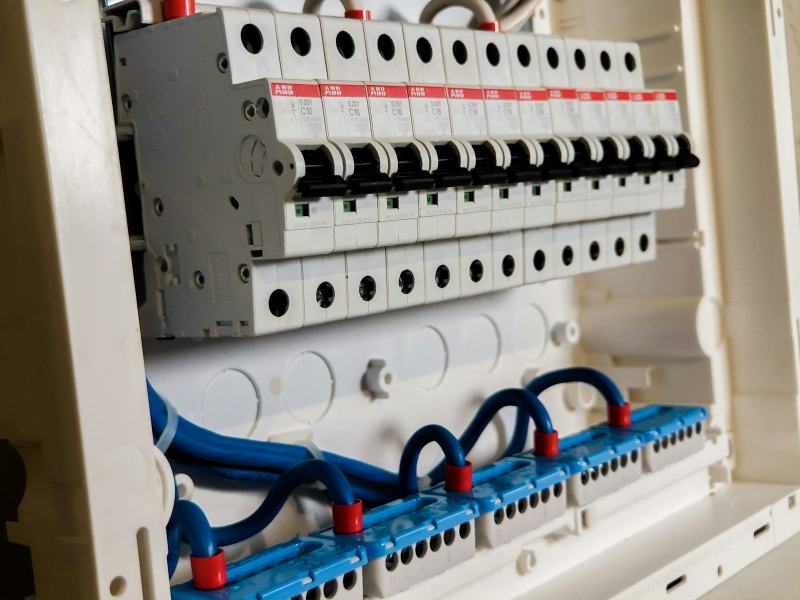
It costs $300 to $1,000 to install a whole-house surge protector. Most homeowners pay $400 to $700. The device is $100 to $400. The rest is the electrician and any panel work. A unit that mounts next to the panel is the cheapest. A meter-socket unit or an install in a crowded panel costs more.
A power surge can fry a TV, a computer, or an HVAC board in a split second. Plug-in strips protect a single outlet. A whole-house unit protects every circuit, including hardwired items like the furnace and the fridge. This guide covers what the job costs, what ratings to look for, and when it is worth it.
What It Costs to Install a Whole-House Surge Protector
A typical install costs $400 to $700. The electrician turns off the power, mounts the device beside the panel, and connects it to a two-pole breaker. The work takes one to two hours.
A basic unit with a low rating costs as little as $300 installed. A premium unit with a strong rating and a status display costs $600 to $1,000.
The table below shows typical ranges. The sections after it explain how to choose a unit.
Types of Whole-House Surge Protectors
A panel-mounted unit is the most common. It sits next to the breaker panel and wires to a double-pole breaker. It is the best balance of cost and protection.
A meter-socket unit sits between the meter and the house. It needs the utility to remove the meter, so the job is more involved. Some utilities offer this service as a program.
A point-of-use device protects one outlet or one appliance. It does not replace a whole-house unit, but it works well as a second layer for expensive electronics.
What the Ratings Mean
Look for a Type 1 or Type 2 device listed to UL 1449. This is the safety standard for surge devices. A product with no UL listing should be avoided.
The kA rating shows how big a surge the device can handle. Units of 50 kA to 100 kA suit most homes. A higher rating lasts longer, because every surge wears the device down.
Voltage protection rating, or VPR, tells you how much voltage gets through. A lower number is better. A good unit has a VPR of 700 V to 1,000 V on a 120 V line.
Is a Whole-House Surge Protector Worth It?
It is worth it for most homes. A single surge can damage thousands of dollars of electronics. A whole-house unit costs less than one new TV.
It is most valuable in areas with frequent storms, unstable power, or lots of electronics. If you have solar panels, an EV charger, or a smart home, it is even more useful.
It does not replace a strip for sensitive gear. A whole-house unit cuts big surges. A strip handles what slips through and what starts inside the house.
Where the Money Goes
The device is $100 to $400. A double-pole breaker, if the panel needs one, is $15 to $60. Electrician labor is $150 to $400.
A full panel with no open slots adds cost. Some panels need a tandem breaker or a small subpanel. In a few older homes, a bigger upgrade is the better call. See our guide to replacing an electrical panel.
A permit is often needed, at $30 to $150. The unit must also be grounded correctly to work. A poor ground makes the device useless.
DIY or Hire an Electrician?
This is a job for a licensed electrician. The work happens inside the main panel, where the main lugs stay live even with the breaker off. A mistake can be fatal.
Do not open the panel yourself. The electrician will also check the grounding system and the neutral, which affects how well the device works.
Pair It With Other Electrical Work
A surge protector is a good add-on to bigger electrical jobs. If you are installing a home EV charger, a whole-house unit protects the charger and the car. If your panel is outdated, a Federal Pacific panel replacement is a chance to add one.
The same goes for a new subpanel. See our guide to a garage subpanel for another way to grow capacity. An electrician can add both in one visit.
For circuits that serve sensitive gear, see our guide to adding a dedicated circuit.
How to Keep the Cost Down
Get two quotes and ask for the brand, the kA rating, and the warranty. Many units come with a connected-equipment warranty. It is a useful extra.
Check with your utility and your insurer. Some utilities rebate part of the cost, and some insurers give a small discount. A phone call can save $50 to $100.
The Department of Energy electrical safety tips are a good primer. They also explain how to read the ratings on a surge device.
How Surges Happen
Lightning is the best-known cause, but most surges come from other sources. Utility switching, a downed power line, and a failed transformer can all send a spike down the line.
Many surges start inside the house. When a motor, such as an air conditioner or a fridge, switches on and off, it can create small spikes. These do not hurt at once, but they wear down electronics over time.
A whole-house unit handles the large outside surges. Plug-in strips handle the small inside ones. Together they cover both.
How the Device Works
A surge protector uses a part called a metal oxide varistor, or MOV. When voltage spikes, the MOV diverts the extra energy to the ground wire. The spike never reaches your devices.
Every surge wears the MOV down a little. After many surges, it stops working. Good units have a status light that tells you when the protection is gone. Check it every few months.
The device works only if the grounding system is good. A weak ground can leave the surge nowhere to go. The electrician should check it as part of the job.
What the Warranty Really Covers
Many makers offer a connected-equipment warranty. It promises to pay for damaged devices up to a set limit, often $25,000 or more. Read the fine print.
Most warranties require a licensed electrician to install the unit. Keep the receipt and the invoice. Some also require plug-in protection on sensitive items.
A warranty is not a reason to skip good habits. Unplug sensitive gear during a bad storm. Keep a list of serial numbers in case you need to file a claim.
What Else Helps
A surge device works best with good habits. Unplug sensitive gear in a bad storm. Keep a few quality power strips at your desk and entertainment center.
Also review your homeowners policy. Some policies cover surge damage, and some do not. A short call to your agent can tell you where you stand.
Finally, label your panel. If the status light on the device ever goes dark, you will know exactly which breaker feeds it.
Ask the electrician to show you the status light and explain what each color means. Put a reminder on your calendar to look at it twice a year. It takes five seconds and tells you if the device still protects the house.
Bottom Line
Budget $400 to $700 for a typical whole-house surge protector and up to $1,000 for a premium unit or a complex panel. Choose a UL 1449 device rated at 50 kA or more.
It is a small cost next to the electronics it protects. Pair it with a few good power strips for the best result.
| Item | Low | High | Unit | Notes |
|---|---|---|---|---|
| Basic panel-mounted unit | $300 | $500 | total | |
| Mid-range panel-mounted unit | $400 | $700 | total | |
| Premium unit with display and warranty | $600 | $1,000 | total | |
| Meter-socket unit | $500 | $1,000 | total | Utility may need to pull the meter |
| Item | Low | High | Unit |
|---|---|---|---|
| Surge device | $100 | $400 | total |
| Double-pole breaker | $15 | $60 | total |
| Electrician labor | $150 | $400 | total |
| Permit | $30 | $150 | total |
Frequently asked questions
How long does a whole-house surge protector last?
Does a surge protector stop lightning damage?
Can I install a whole-house surge protector myself?
What kA rating do I need?
Will it protect my appliances?
Related cost guides
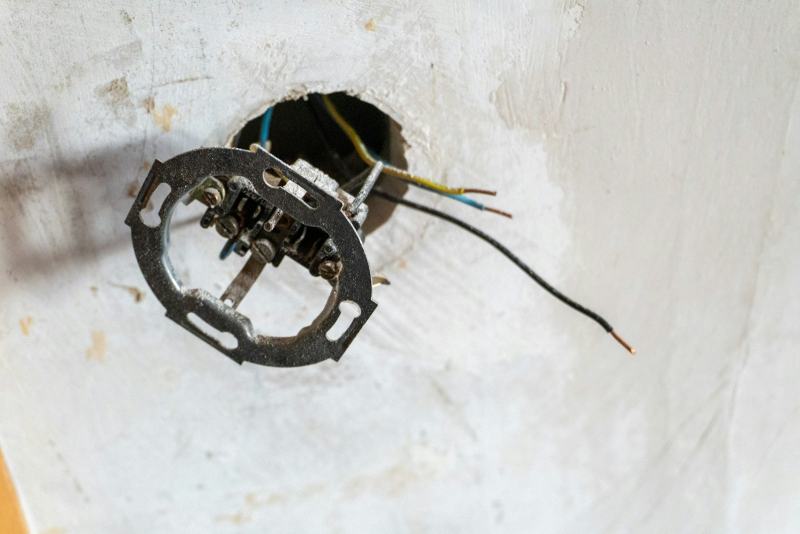
Cost to Move an Electrical Outlet
What it costs to move an electrical outlet, how wall type and distance change the price, and when adding a new outlet...
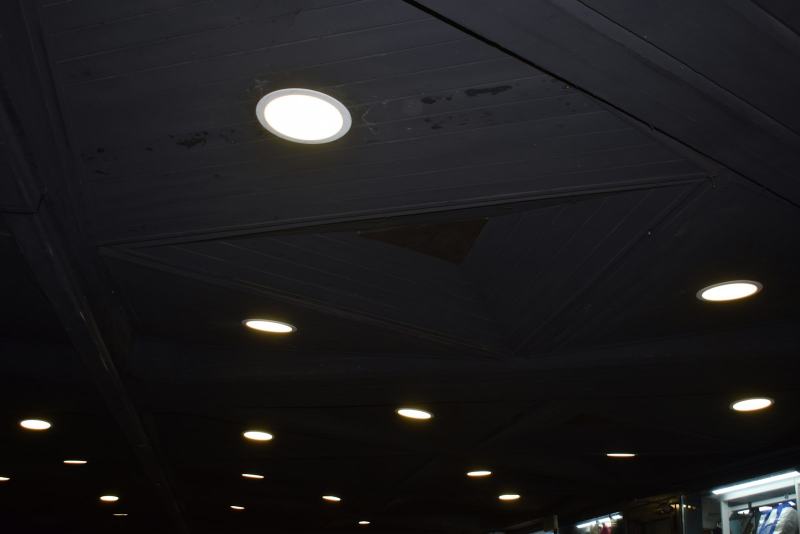
Cost to Install Recessed Lighting
What it costs to install recessed lighting per can, retrofit versus new construction, and how many lights a room reall...
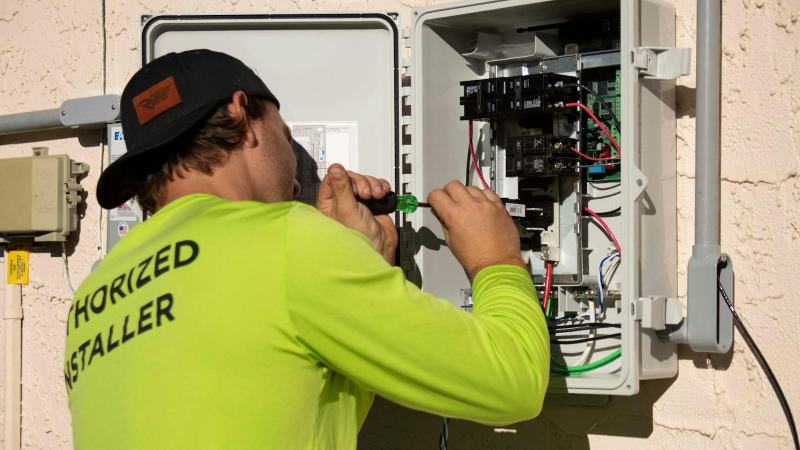
Cost to Add a Dedicated Circuit
What it costs to add a dedicated circuit, 15, 20, and 30-amp options, and when your panel needs help before you can ad...
Cost to Install a 240V Outlet
What it costs to install a 240V outlet for a dryer, range, welder, or EV charger, and why the wire run and plug type m...