Cost to Replace a Main Water Shut-Off Valve
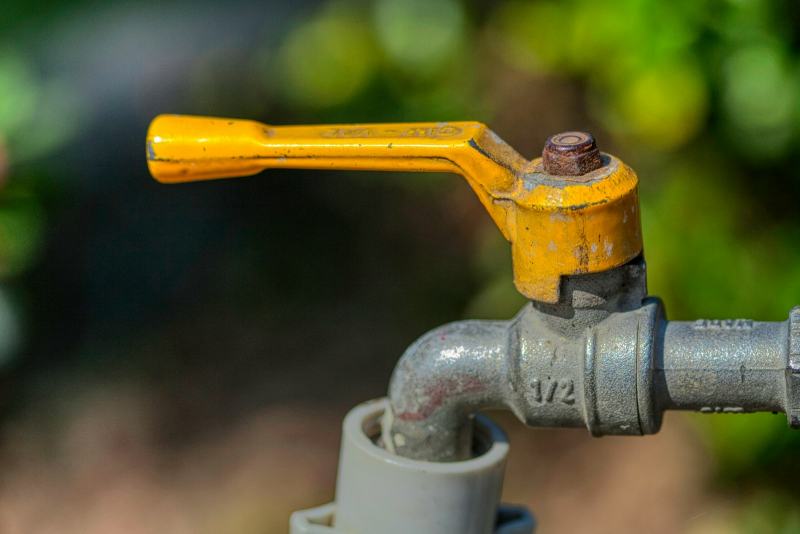
It costs $150 to $900 to replace a main water shut-off valve. Most homeowners pay $200 to $450. The valve itself is a $20 to $90 part. The rest is labor, and the labor depends on how easy the pipe is to reach and whether the water has to be cut off at the street first.
The main shut-off is the one valve you hope never to need. When a pipe bursts, it is the only thing between you and a flooded house. A valve that is stuck, leaking, or crumbling is a real risk. This guide covers what the job costs, which valve type to pick, and when you can skip the street-side shutdown.
What It Costs to Replace a Main Water Shut-Off Valve
A standard swap costs $150 to $450. The plumber closes the water at the meter, cuts out the old valve, and fits a new one. The work takes one to two hours. Most of the price is the labor and the trip charge.
The price climbs when access is poor. A valve buried in a tight crawlspace or behind a finished wall costs more to reach. Expect $450 to $900 if the plumber has to open drywall or work in a cramped space.
The table below shows the usual ranges by job type. The sections after it explain what pushes a quote up or down.
Gate Valve vs. Ball Valve
Older homes usually have a gate valve. It has a round handle that you turn many times to close. Gate valves wear out. The internal wedge corrodes and the valve often will not seal, or will not move at all.
A quarter-turn ball valve is the modern replacement. The lever turns a quarter turn from open to closed. It is simple, tough, and easy to check at a glance. Plumbers install it by default today.
A brass full-port ball valve costs $20 to $90 and is the one to ask for. Cheap import valves can fail early. A good valve should outlast the rest of the plumbing near it.
Do You Need the Water Cut Off at the Street?
Often the answer is yes. If the main valve does not close, the plumber has nothing to isolate the house with. The work then starts at the curb stop or the meter valve.
The curb stop belongs to the utility. Many cities require you to call them to close it, and some charge $50 to $150 for the visit. A few allow a licensed plumber to do it with a special key. Ask early, because it can add a day.
If the street valve is also stuck, the job becomes bigger. A utility crew may need to repair it first. That is a separate cost and a separate timeline.
Signs Your Main Shut-Off Needs Replacing
A handle that will not turn is the clearest sign. So is a valve that turns but does not stop the flow. A slow drip at the stem or a green crust on the brass points to a failing seal.
Test it once a year. Close the valve, open a faucet, and confirm the water stops. Then reopen it. If you feel grinding or the handle spins freely, replace it before a real emergency forces the issue.
Do not force a stuck valve. A cracked stem can turn a small repair into a flood. If you plan other pipe work, such as a pressure-reducing valve, the plumber can swap the shut-off in the same visit.
Where the Money Goes
The valve is $20 to $90 for most homes. Fittings, such as unions or sharkbite-style push connectors, add $10 to $40. Labor is $120 to $350 for a straightforward swap.
Opening and patching a wall adds $150 to $400. A utility trip charge adds $50 to $150 when the water must be cut off at the curb.
Most cities do not require a permit for a like-for-like valve swap. Some do if the pipe layout changes. A quick call to the building department settles it.
DIY or Hire a Plumber?
This is not a good first DIY job. The house has no water while you work, and a bad joint behind a valve you cannot close is a big problem. The main line is also under full street pressure.
A confident DIYer with a working street valve and the right pipe cutter can do it. Push-fit valves make the job easier. Most people still hire a plumber, and the licensed work is often covered by a workmanship warranty.
Add Other Fixes While the Water Is Off
The house is already dry for the job. That makes it the cheapest moment to fix other small items. A worn water heater element or a failed supply line can often be handled in the same visit.
If the pipes are old galvanized steel, ask about a galvanized-to-PEX repipe. Corroded pipe often explains why the valve failed. It is better to know before you buy a new valve that connects to bad pipe.
If you also have a basement pump, our sump pump replacement guide is worth a read. A garbage disposal that leaks under the sink also needs its own shutoff, covered in our disposal replacement guide.
How to Keep the Cost Down
Get two quotes and ask each to name the valve type and brand. A quote that says only "new valve" can hide a cheap part. Ask if the price includes the utility visit.
Know where your shut-off is before you call. A plumber who can find the valve fast saves billable time. Clear the area around it, and label it so every adult in the house can find it in a panic.
The EPA WaterSense program notes that leaks waste thousands of gallons per home each year. A valve you can trust is the first line of defense against a big one.
What a Plumber Does During the Visit
The plumber starts by finding the shut-off point. If the main valve still works, the water is closed there. If not, the crew goes to the meter or the curb.
Next the crew opens a faucet to drain the line. Then they cut out the old valve and clean the pipe ends. A new valve goes on with solder, threads, or push-fit connectors.
The last step is a leak check. The plumber turns the water back on slowly and watches every joint. Then they open a faucet to purge the air and confirm the flow is steady.
Questions to Ask Before You Hire
Ask whether the quote covers the valve, the fittings, and the cleanup. Ask who handles the utility call if the curb stop must be closed. A clear answer tells you the plumber has done this before.
Ask about the warranty on the work. A good plumber offers at least a year on labor. Ask also whether the new valve is full-port, since a reduced-port valve can cut your water flow.
Finally, ask how long the water will be off. A planned two-hour outage is easy to live with. A surprise all-day outage is not.
Keep the Valve Working for Years
A valve that is never used can seize. Turn it off and on twice a year. A quarter-turn ball valve takes a few seconds to test.
Keep the area clear and dry. A valve that sits in a damp corner will corrode faster. Wipe off any drips, and fix leaks at the stem right away.
Mark the valve with a tag. Everyone in the house should know where it is and which way it turns. In a real leak, that tag saves minutes, and minutes save floors.
Bottom Line
Budget $150 to $450 for a normal main shut-off replacement and up to $900 if walls must be opened or the street valve is involved. Ask for a full-port brass ball valve.
Do not wait for a burst pipe to learn the valve is dead. Test it this week. It is one of the cheapest ways to protect your house.
| Item | Low | High | Unit | Notes |
|---|---|---|---|---|
| Standard ball valve swap, easy access | $150 | $450 | total | |
| Valve swap with tight crawlspace access | $300 | $600 | total | |
| Valve swap with wall opening and repair | $450 | $900 | total | Includes drywall cut and patch |
| Utility curb-stop visit | $50 | $150 | total |
| Item | Low | High | Unit |
|---|---|---|---|
| Brass ball valve | $20 | $90 | total |
| Fittings and connectors | $10 | $40 | total |
| Labor | $120 | $350 | total |
| Wall opening and patch | $150 | $400 | total |
Frequently asked questions
How long does it take to replace a main water shut-off valve?
Where is the main water shut-off valve located?
Should I replace a gate valve with a ball valve?
Can I replace the main shut-off valve myself?
Does a main shut-off valve need a permit?
Related cost guides
Cost to Replace a Sump Pump: Price Ranges
What it costs to replace a sump pump, submersible versus pedestal, battery backups, and how to tell when yours is abou...
Cost to Replace a Garbage Disposal
What it costs to replace a garbage disposal, horsepower and feed type, and when a repair is cheaper than a new unit.
Cost to Replace Galvanized Pipe With PEX
What it costs to replace galvanized pipe with PEX, partial versus whole-house repipes, and how to tell if your pipes a...
Cost to Replace a Water Heater Heating Element
What it costs to replace a water heater heating element, why lukewarm water is usually the first sign, and when a plum...